
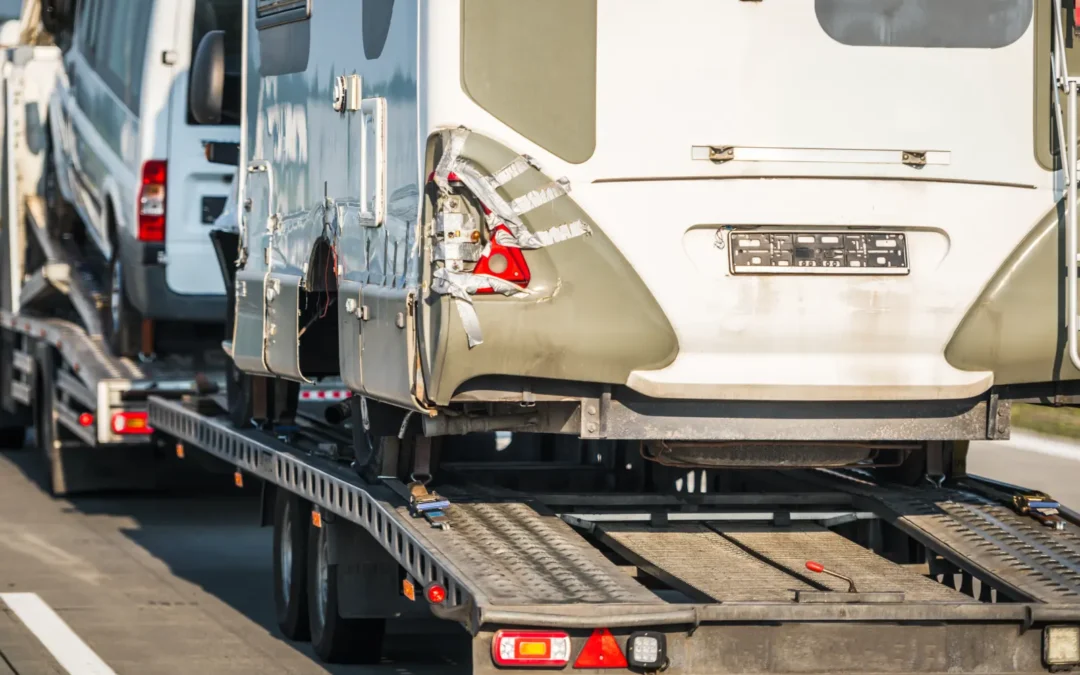
Moving an RV from one location to another takes more than a truck and a trailer hitch. Whether you’re relocating, selling a unit, or transporting a recently purchased camper, a professional RV hauling service provides the equipment, expertise, and logistical support to get it there safely.
This guide covers everything you need to know: the types of RVs that can be hauled, how the process works, what to expect in costs, and how to find a reliable RV hauler near you.
Types of RVs We Can Haul
RVs vary significantly in size, weight, and configuration. Understanding which category your unit falls into helps determine the right transport method and equipment.
Motorhomes
Motorhomes are self-propelled units that range from compact camper vans (Class B) to full-size, bus-style coaches (Class A). Class C motorhomes fall in between, typically built on a cutaway van chassis with a distinctive cab-over sleeping area. Each type requires careful attention to length, weight, and clearance during RV hauling, particularly for Class A coaches that can exceed 40 feet.
Travel Trailers
Travel trailers are towed by a separate vehicle using a standard ball hitch. They come in a wide range of sizes, from lightweight teardrop models to full-size units over 30 feet long. When the tow vehicle isn’t available or isn’t rated for the load, a professional hauler steps in with the right equipment to move the trailer safely.
Fifth-Wheel Trailers
Fifth-wheel trailers connect to a specialized hitch mounted in a pickup truck’s bed, which gives them greater stability than conventional travel trailers. They tend to be longer and heavier, which means RV hauling for fifth-wheels often requires a heavy-duty rig and careful planning around height and weight limits along the route.
Toy Haulers and Campers
Toy haulers are designed with a rear garage for motorcycles, ATVs, or other gear, making them heavier than standard trailers of comparable size. Pop-up campers and smaller folding units, while lighter, still benefit from professional transport to avoid damage to their folding mechanisms and canvas sections during transit.
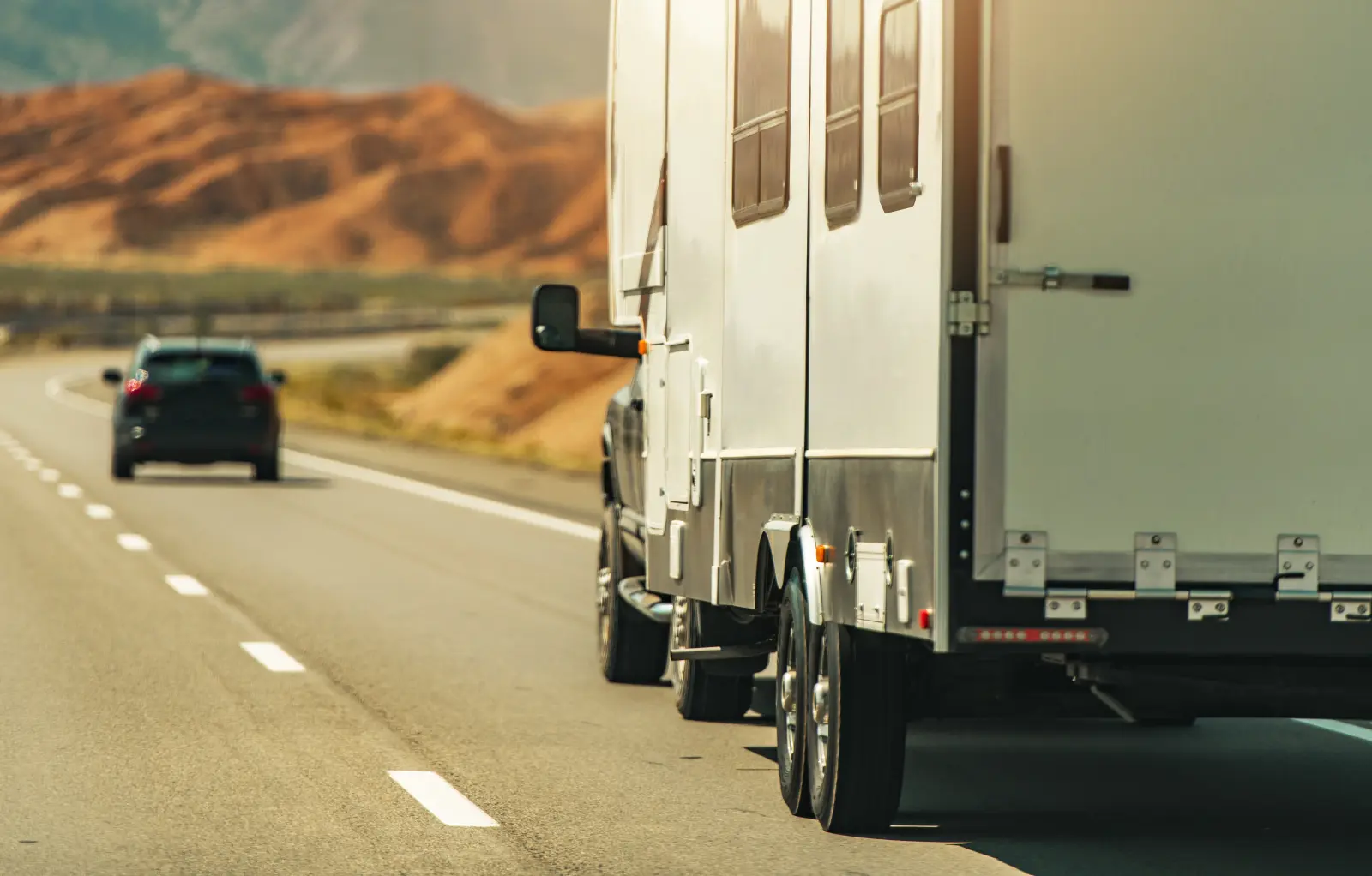
How RV Hauling Works: Step-by-Step Process
RV hauling isn’t a simple pickup-and-go operation. Here’s what to expect from a professional transport from start to finish.
Step 1: Planning and Route Assessment
Before anything moves, the hauler assesses the route. This includes identifying low bridges, weight-restricted roads, and any state-specific permit requirements based on the RV’s dimensions and weight. Longer units or oversized loads may require designated corridors or travel during specific hours.
Step 2: Preparing the RV
The customer prepares the unit prior to pickup (more on that below), and the hauler confirms it’s transport-ready. This includes verifying tire condition, checking that all slide-outs are retracted, and ensuring all exterior compartments are latched and secured.
Step 3: Loading and Securing
Depending on the RV type, the unit is either loaded onto a flatbed, lowboy, or specialized transport trailer, or is connected to a tow vehicle via the appropriate hitch. Load securement follows standard protocols, using straps, chains, and blocking to prevent any movement during transport.
Step 4: Transporting the RV
The hauler manages the route, keeping to approved roads and monitoring conditions throughout the trip. For long-distance moves, drivers adhere to hours-of-service regulations and communicate with dispatch at regular intervals.
Step 5: Delivery and Unloading
On arrival, the hauler positions the RV at the designated drop-off location and carefully offloads the unit. This step requires adequate space for maneuvering, particularly with longer trailers or motorhomes, so it’s worth confirming access in advance.
Step 6: Final Inspection and Confirmation
Once the RV is in place, a final walkthrough confirms the unit arrived in the same condition as pickup. Any pre-existing damage should be documented before transport begins to avoid disputes at delivery.
How to Prepare Your RV for Transport
Proper preparation protects your RV and prevents delays. Here’s what to address before the hauler arrives.
Interior Preparation
Remove or secure all loose items. Dishes, cookware, electronics, and personal belongings can shift significantly during transit, causing damage. Empty the refrigerator, close all cabinet latches, and lock interior storage compartments. Drain holding tanks to reduce weight and avoid leaks.
Exterior Preparation
Retract all awnings, slide-outs, and leveling jacks. Close roof vents and skylights. Confirm that exterior compartment doors are latched and that any antennas or accessories are lowered or removed. If the RV has a tow bar or bike rack, detach it prior to pickup.
Mechanical Checks
Check tire pressure and look for visible sidewall damage. Verify that all lights are functional (brake lights, turn signals, running lights) if the unit will be towed. Confirm that the battery disconnect switch is in the correct position per the hauler’s instructions.
Documentation
Have the title or proof of ownership available. Take dated photos of the entire exterior before pickup, including any existing scratches, dents, or damage. Provide the hauler with the unit’s make, model, year, length, height, and weight so they can confirm the right equipment and permits are in place.
Key Factors Affecting RV Hauling Costs
RV hauling costs vary based on a number of factors. There’s no universal rate, but understanding what drives pricing helps you plan accordingly.
Distance and Route
Distance is the most significant cost variable. Longer hauls cost more, and routes that pass through congested metro areas or require detours add time and fuel to the job.
RV Size and Weight
Larger, heavier units require more capable equipment and may trigger permit requirements. A 40-foot Class A motorhome costs more to transport than a small travel trailer, both because of equipment requirements and the added complexity of navigating the route.
Transport Method
Flatbed or enclosed transport typically costs more than open towing. The method depends partly on the RV type and partly on how much protection you want during the move.
Pickup and Delivery Location
Urban areas with good road access are generally easier and less expensive to service. Rural locations, destinations with limited maneuvering space, or properties that require special access can add to the overall cost.
Permits and Regulations
Oversized loads require permits, which vary by state and sometimes by county. These fees are typically passed on to the customer and can add up on cross-country moves.
Seasonal Demand
RV transport demand peaks in spring and summer as owners move units for the camping season. Booking during slower periods, such as fall or winter, can result in lower rates and more scheduling flexibility.
How to Choose a Reliable RV Hauling Company

Not every towing company has the experience or equipment to handle RV transport responsibly. A few things to look for:
- Verify the company has specific experience with RV hauling, not just standard vehicle towing. Ask about the types of units they’ve transported and the equipment they use.
- Confirm they carry adequate insurance coverage for the value of your RV. Ask to see proof.
- Look for clear communication. A reliable RV hauler responds promptly, provides a written quote, and explains the process without pressure.
- Check reviews from previous customers, particularly for long-distance transport or oversized units.
- Ask about their permitting process. A professional operation handles permits on your behalf and builds that cost into the quote transparently.
Choosing based on price alone often leads to problems. The lowest bid isn’t always the safest option for a unit worth tens of thousands of dollars.
Get Your RV Hauling Quote Today!
Sports Towing & Recovery provides professional RV hauling service throughout the Richmond, VA region and beyond. If you’ve been searching for RV hauling near you and want a straightforward quote from an experienced local team, give us a call. Our operators understand what it takes to move recreational vehicles safely, and we’re ready to walk you through the process from pickup to delivery.
Contact Sports Towing & Recovery today at (804) 325-9971 to get started.