
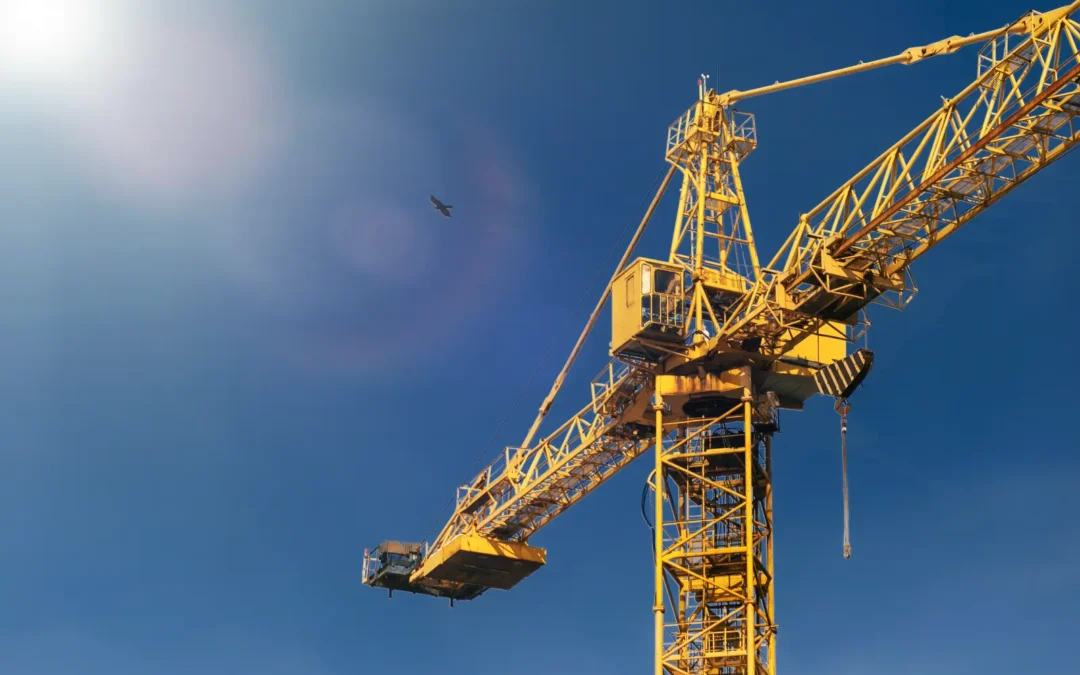
Moving a crane from one location to another is one of the most demanding logistics challenges in the construction industry. These machines are massive, often weighing tens of thousands of pounds, and many cannot be driven under their own power to a new site. So how are cranes transported safely and legally? It takes careful planning, specialized equipment, professional operators, and strict regulatory compliance — from the moment a crane is disassembled at one site to the moment it’s operational at another.
This guide breaks down the methods, the process, the key variables, and what to expect when coordinating crane transport services for a construction project.
How Are Cranes Transported?
The answer depends almost entirely on the type of crane involved. Most cranes are moved using a combination of heavy-duty flatbed trailers, lowboy trailers, and multi-axle transport rigs designed to distribute enormous weight across a legal axle load range. Some cranes can be driven or towed in a single move; others require disassembly into multiple loads before transport can even begin.
In every case, crane transportation services involve far more than just loading and driving. Route surveys, oversize/overweight permits, load securement plans, and escort vehicle coordination are standard components of any professional crane move.
Types of Cranes and How They Are Transported
Not all cranes travel the same way. The crane’s configuration, size, and mobility determine the transport method.
Mobile Cranes
Mobile cranes are among the most common on construction sites and are generally the most straightforward to transport. Many mobile cranes can travel under their own power over public roads within legal weight and height limits. However, longer boom sections typically need to be removed and hauled separately on a flatbed trailer. For cranes that exceed legal dimensions even without the boom, a lowboy or hydraulic platform trailer is used to reduce ride height.
Crawler Cranes
Crawler cranes sit on tracked undercarriages rather than wheels, which means they cannot be driven on public roads at all. Crane hauling for crawlers typically involves full or partial disassembly; the upper works, counterweights, and boom are separated and transported on individual loads. The undercarriage travels on a heavy-duty lowboy trailer. Larger crawler cranes can generate dozens of individual transport loads.
Tower Cranes
Tower cranes present some of the most complex crane transport challenges of any equipment type. They’re erected in sections on-site and dismantled the same way, meaning transport is always a multi-load operation. Mast sections, the slewing unit, jib, and counterweights each move separately on flatbed trailers. Coordination between the hauling team and the crane erection crew is essential.
Rough Terrain Cranes
Rough terrain cranes are designed for off-road use and are typically transported on lowboy trailers. They’re generally more compact than crawler cranes, which simplifies the logistics somewhat, but their wide footprint and lifting attachments often still require oversize permits for transport.
Truck-Mounted Cranes
Truck-mounted cranes, sometimes called boom trucks, are the most mobile of the group. They drive on their own chassis and can typically travel on public roads without disassembly, though the boom must usually be in a lowered, travel-ready position. These cranes require the least preparation for transport, making them a popular choice when flexibility and speed matter.
How to Transport a Crane: Crane Hauling Process
Regardless of crane type, professional crane transportation follows a structured sequence. Shortcuts at any stage create risk for the equipment, the crew, and other road users.
Planning and Route Assessment
Every crane move starts with thorough pre-transport planning. The hauling team reviews the crane’s specs — total weight, disassembled component dimensions, and travel height — then identifies a viable route from origin to destination. This involves checking bridge weight ratings, clearance heights, turn radii, and any known road restrictions. State and local permit offices are contacted early in this stage to determine what oversize/overweight permits are required and whether any road segments present obstacles that require detours or special handling.
Disassembly and Load Preparation
Once the route is confirmed, crane disassembly begins. For mobile cranes, this may simply mean removing the boom and any accessory rigging. For crawlers and tower cranes, disassembly is more extensive. Counterweights, upperworks, and structural sections are separated, tagged, and staged for individual transport. Each component is inventoried so reassembly on the receiving end is organized and efficient.
Loading and Securing
With components staged, loading begins. Heavy-duty cranes, rigging equipment, and experienced operators are required to position each load safely onto the appropriate trailer. Load securement follows FMCSA standards, which govern chain placement, tie-down ratings, and the number of securement points relative to load weight. Improper securement is both a legal violation and a serious safety hazard, so professional haulers treat this phase with precision.
Transportation and Delivery
With loads secured and permits in hand, transport begins. Depending on the total number of loads and the distance involved, this phase may span a single day or several days of coordinated moves. Oversized loads travel during permitted hours (often early morning or off-peak times) to minimize traffic impact. Escort vehicles lead and follow the convoy when required, and the route is monitored continuously for unexpected conditions.
Unloading and Reassembly
At the destination site, the process reverses. Components are unloaded in the correct sequence to support reassembly, and the crane erection team takes over. The hauling crew coordinates closely with the rigging team to ensure nothing is damaged during offloading and that each piece is positioned where it’s needed for assembly.
Key Factors That Affect Crane Transportation
Even a well-planned crane move can become complicated quickly. These variables shape every aspect of the process.
Crane Size and Weight
The crane’s physical dimensions and total transport weight determine which trailers are required, how many loads are needed, and what permit category applies. Larger cranes don’t just need bigger trucks; they require more extensive planning, longer load windows, and often specialized multi-axle trailer configurations to distribute weight legally.
Transport Distance and Route Conditions
A short local haul and a multi-state move are fundamentally different operations. Longer distances mean multiple jurisdictions, multiple permit sets, and more potential for route complications. Even on shorter hauls, local road conditions (tight turns, low bridges, construction zones) can add significant complexity.
Legal Requirements
Crane transportation is governed by state and federal regulations covering weight limits, maximum load dimensions, travel hours, and required safety equipment. Permits must be secured before transport begins, and some states require advance notification periods. Working with an experienced crane transport services provider ensures these requirements are met correctly.
Escort Vehicles
Loads that exceed certain height, width, or length thresholds require pilot cars or law enforcement escorts, depending on jurisdiction. Escort vehicles travel ahead of and behind the load to warn other drivers and clear the path through intersections and narrow corridors. Escort requirements vary by state, so a multi-state move may involve changing escort configurations at each border.
Weather Conditions
Wind, ice, and reduced visibility are all operational constraints for oversize crane loads. High winds pose a particular risk during the transport of large structural components. Professional haulers monitor forecasts closely and will delay moves when conditions fall outside safe operating parameters.
Site Accessibility
The receiving site must be able to accommodate the transport vehicles for unloading. Limited access roads, soft ground conditions, overhead utility lines, and inadequate staging space can all complicate the final delivery phase. A site assessment before transport begins helps identify and resolve these issues in advance.
What Affects the Cost of Crane Transport Services?
Crane transport costs are driven by several interconnected factors. The size and weight of the crane determine trailer type and the number of loads required. Disassembly complexity adds labor and time. Permit fees vary by state and load classification, and multi-state moves involve multiple permit applications. Distance is a direct factor in fuel and driver time costs. Escort vehicle requirements add both coordination and direct expense.
There’s also the nature of the timeline. Rush moves that require expedited permitting or scheduling outside standard windows typically cost more than moves planned well in advance. For large crawler and tower cranes that generate many individual transport loads, total logistics costs can be substantial.
The most accurate way to get a cost picture for hauling a crane is to work with a heavy hauling provider directly. They can assess the specific equipment, route, and permit requirements to produce a realistic estimate.
Safety and Compliance in Crane Hauling
Safety is the non-negotiable constant in every crane transport operation. FMCSA load securement standards apply to every load, and state-specific oversize/overweight regulations add another layer of compliance requirements. Equipment must be inspected before loading, securement must be verified before departure, and loads are typically re-checked at designated stops during longer hauls.
Professional crane transportation services also carry the appropriate commercial insurance and operate with drivers who hold the correct commercial vehicle endorsements for heavy and oversize loads. These aren’t optional credentials — they’re baseline requirements for legal, responsible crane hauling.
Beyond regulatory compliance, experienced operators bring practical knowledge that matters in the field: how to position a lowboy for safe loading on an uneven staging area, how to route a wide load through a dense urban corridor, or how to coordinate a multi-truck convoy efficiently. That expertise directly reduces risk at every stage.
Get Professional Crane Hauling Services in Richmond, VA
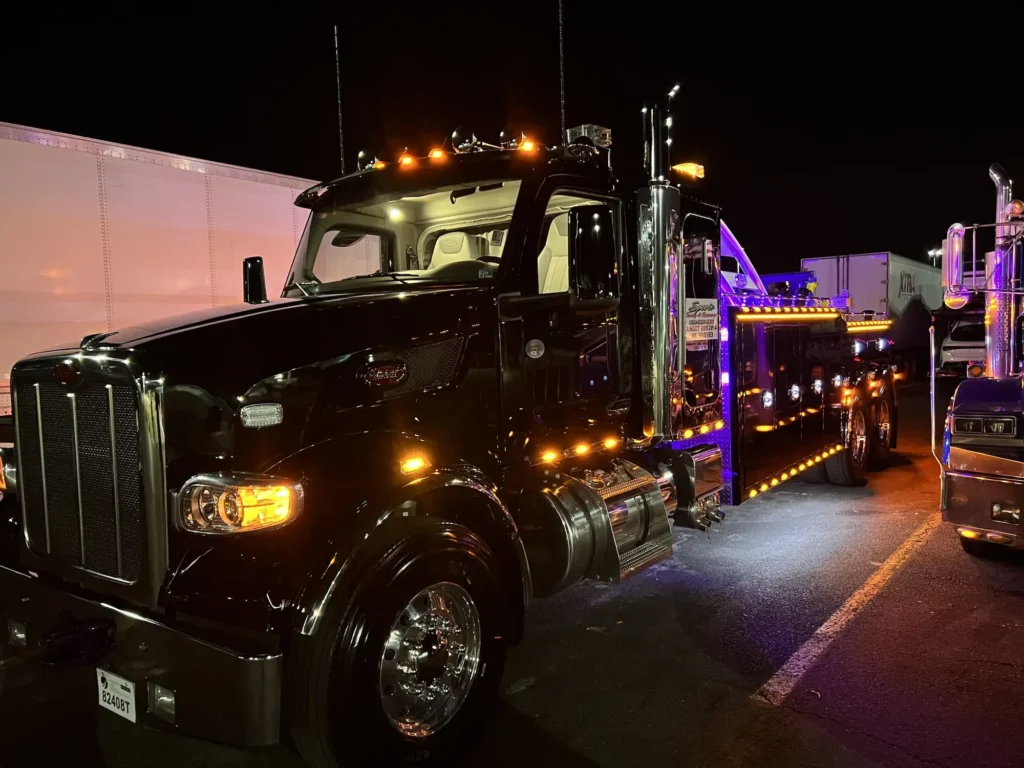
Sports Towing & Recovery provides heavy hauling and crane service near me for construction companies, contractors, and equipment operators throughout the Richmond, VA, region. Our team is experienced in crane transport for mobile cranes, crawlers, tower cranes, and specialty equipment — with the trailers, rigging capability, and permitting knowledge to handle moves of real scope and complexity.
Whether you’re relocating a crane between job sites or coordinating a full project mobilization, we’re ready to assist. Contact Sports Towing & Recovery today to discuss your crane transportation needs and get a quote from a team that understands heavy hauling at a professional level.
Call us at 804.325.9971 to speak with our team directly.