
Structural Steel Hauling in Richmond, VA
Heavy Duty Hauling
Structural steel hauling is one of the most demanding segments of heavy freight transport. Whether a project involves raw stock, fabricated assemblies, or oversized components, moving steel safely and on schedule requires the right equipment, trained operators, and a clear understanding of compliance requirements.
Sports Towing & Recovery provides professional steel transport throughout Richmond, VA, and the surrounding region. Our team handles each load with a focus on securement, route planning, and on-time delivery, so your materials arrive in the condition your project demands.
Call us at 804-829-8208 to discuss your steel transport needs.
Why Is Structural Steel Hauling So Challenging?
Steel is unforgiving. It’s dense, rigid, and often arrives in configurations that push the limits of standard hauling. Understanding what makes these loads difficult helps clarify why special attention to structural steel hauling matters.
Extreme Load Weight
Structural steel is among the heaviest freight moved by road. Even moderate quantities can exceed standard trailer ratings, requiring heavy-duty equipment and precise load distribution to stay within legal weight limits.
Risk of Load Shifting
Steel’s mass creates significant inertia during acceleration, braking, and cornering. Without proper blocking, bracing, and tie-down systems, loads can shift and compromise both driver safety and material integrity.
Surface and Finish Protection
Fabricated or coated steel components can be scratched, dented, or contaminated during transport if contact points aren’t properly cushioned. Protecting finished surfaces adds a layer of complexity to every load.
Oversized Dimensions
Long beams, wide plates, and extended column sections frequently exceed standard lane widths or legal length limits. These loads require route surveys, escort vehicles in some cases, and advance permit coordination.
Regulatory Requirements
Oversized and overweight loads are governed by state and local regulations that vary by route and jurisdiction. Haulers must understand permit thresholds, travel windows, and compliance standards before the truck leaves the yard.
Types of Structural Steel We Transport
Structural Steel Beams
Wide flange beams, I-beams, and H-piles are standard in commercial and industrial construction. Their length and weight make proper trailer selection and load positioning critical to safe transport.
Structural Steel Columns
Steel columns often arrive at project sites as individual sections or pre-assembled units. Careful rigging and tie-down placement prevent surface damage and keep loads stable during transit.
Steel Plates
Plate steel presents challenges related to weight concentration and surface protection. We use appropriate dunnage and cribbing to distribute load weight and prevent contact damage.
Steel Coils
Coil steel requires specialized cradles and securement methods to prevent rolling. Our drivers understand the handling requirements specific to coiled material and apply them consistently.
Fabricated Structural Steel
Pre-fabricated assemblies, trusses, and custom-cut components demand careful staging and securement to maintain dimensional integrity from pickup to delivery.
Pre-Engineered Steel Components
Panels, purlins, frames, and other pre-engineered building system components are often fragile relative to their size. We handle these loads with the attention their precision fabrication requires.
Oversized Structural Steel Loads
When dimensions exceed standard legal thresholds, we coordinate route surveys, acquire necessary permits, and plan travel windows to keep deliveries on schedule and in compliance.
Load Capacity and Transport Regulation Considerations
Weight Distribution Requirements
Legal axle weight limits govern how steel loads must be positioned across a trailer’s axle groups. Improper distribution can result in permit violations, fines, or unsafe handling. Our operators are trained to configure loads within regulatory limits.
Trailer and Equipment Compliance
Each piece of structural steel hauling equipment has a rated capacity and a specific use case. Matching the right trailer to the load, whether a standard flatbed, step-deck, or heavy-duty lowboy, is the foundation of compliant and safe steel transport.
Securement Standards
Federal Motor Carrier Safety Administration (FMCSA) regulations specify the number, rating, and placement of tie-downs required for steel loads. Our securement practices are built around these standards, not around shortcuts.
Local Weight Limits
Posted bridge and road weight limits create routing constraints that must be factored into every trip. We account for these limits during route planning to avoid violations and delays.
Permit Requirements
Oversized or overweight loads require permits from state and local agencies before steel transport can begin. Our team handles permit coordination to keep projects moving without administrative delays.
What Factors Affect Structural Steel Transport Costs in Richmond, VA?
Load Weight
The total weight of the structural steel directly affects equipment selection, load distribution, and overall transport pricing.
Steel Dimensions
Length, width, and height of steel components influence trailer type, securing methods, and route planning.
Transport Distance
Longer transport distances increase fuel usage, driver time, and operational costs.
Route Complexity
Routes involving restricted roads, tight turns, low bridges, or construction zones may require additional planning and higher costs.
Permit Requirements
Oversized or overweight steel loads often require special transport permits and regulatory compliance, which can affect pricing.
Equipment Type
The type of hauling equipment required, such as flatbeds or heavy-duty trailers, impacts availability and transport cost.
What Should You Look for in Steel Transport Companies?
Not every hauler is equipped to manage structural steel. The stakes are high, and the margin for error is narrow.
Experience matters first. Steel transport companies with a demonstrated track record in heavy hauling services understand the operational and regulatory demands these loads place on equipment and personnel. Ask about specific experience with the type of steel you’re moving.
Trained drivers are non-negotiable. Operators providing structural steel hauling need to understand load securement, weight distribution, and how to respond when road or weather conditions change mid-route.
Clear communication keeps projects on track. A reliable hauler provides delivery windows, updates on load status, and direct contact with someone who can answer questions, not just a dispatch queue.
Regulatory knowledge protects everyone. A structural steel hauling company that understands permit requirements, axle weight compliance, and route restrictions prevents costly delays and ensures loads move legally.
Why Choose Sports Towing for Steel Hauling Services?
Proven Structural Steel Hauling Experience
Our team has hands-on experience with structural steel transport across a range of project types and load configurations. That experience informs every decision, from equipment selection to delivery scheduling.
Trained Heavy Haul Drivers
Our operators are trained specifically for heavy hauling services, with a working knowledge of securement standards, load dynamics, and compliance requirements.
Specialized Steel Transport Equipment
We maintain equipment suited to the demands of steel transport, including flatbed trailers capable of handling heavy, awkward, or oversized loads.
Secure Load Handling Standards
Every load is secured to FMCSA standards using the appropriate tie-down ratings and placement. We don’t cut corners on securement because the consequences of a shift in transit are too serious.
Regulatory Compliance Knowledge
Our team understands the permitting processes, weight restrictions, and travel window rules. We handle compliance coordination so your project doesn’t stall waiting for paperwork.
Route Planning Expertise
Before any load moves, we assess the route for weight-restricted roads, low clearances, and construction impacts. Thorough planning prevents delays and protects both load and equipment.
On-Time Delivery Commitment
Job sites run on schedules. We coordinate pickup and delivery times with your project timeline and communicate proactively if anything changes.
Clear Communication Process
From the first call to final delivery, you’ll have direct access to our team. No runaround, no uncertainty. Just straightforward communication about your load status.
Areas We Serve
Sports Towing & Recovery provides steel transport services throughout Richmond, VA, and the surrounding region, including Henrico County, Chesterfield County, Hanover County, and nearby areas across Central Virginia. Long-distance transport is available for projects requiring delivery to other regions of the state.
Contact us or call 804-829-8208 to confirm service availability for your specific route.
Need Reliable Steel Hauling Services in Virginia?
Structural steel hauling requires more than a truck and a flatbed. It takes trained operators, proper equipment, a solid understanding of compliance requirements, and a commitment to getting it right.
Sports Towing & Recovery is ready to support your next project. Call 804-829-8208 to speak with our team about your steel transport needs.
More Services
We do more than tow heavy duty vehicles. If you need standard towing, hauling, auto or diesel repair services, or emergency roadside assistance, we will help you 24/7/365.
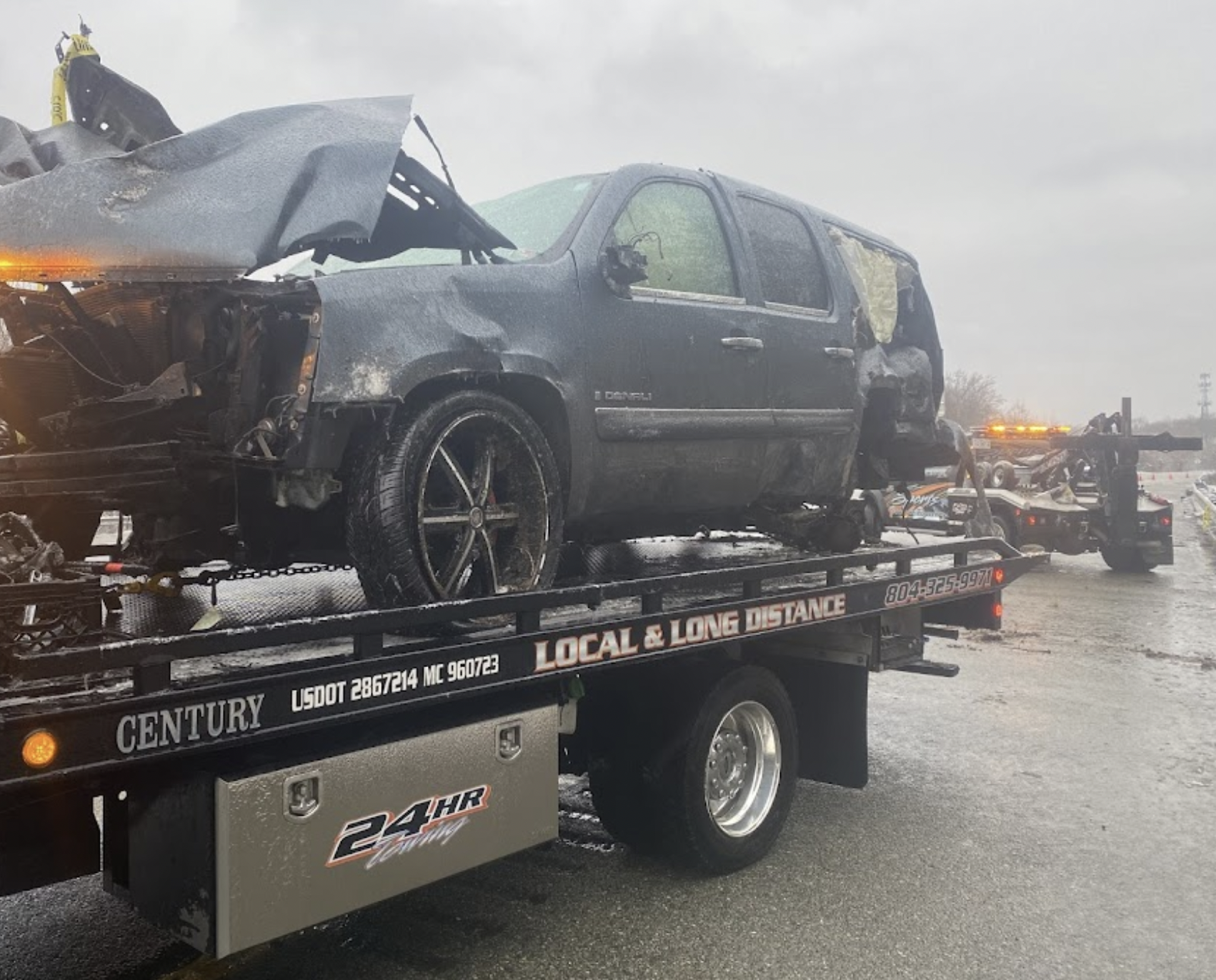
Standard Towing
Light and medium vehicles with 1 or 2 axles weighing less than 14 tons.
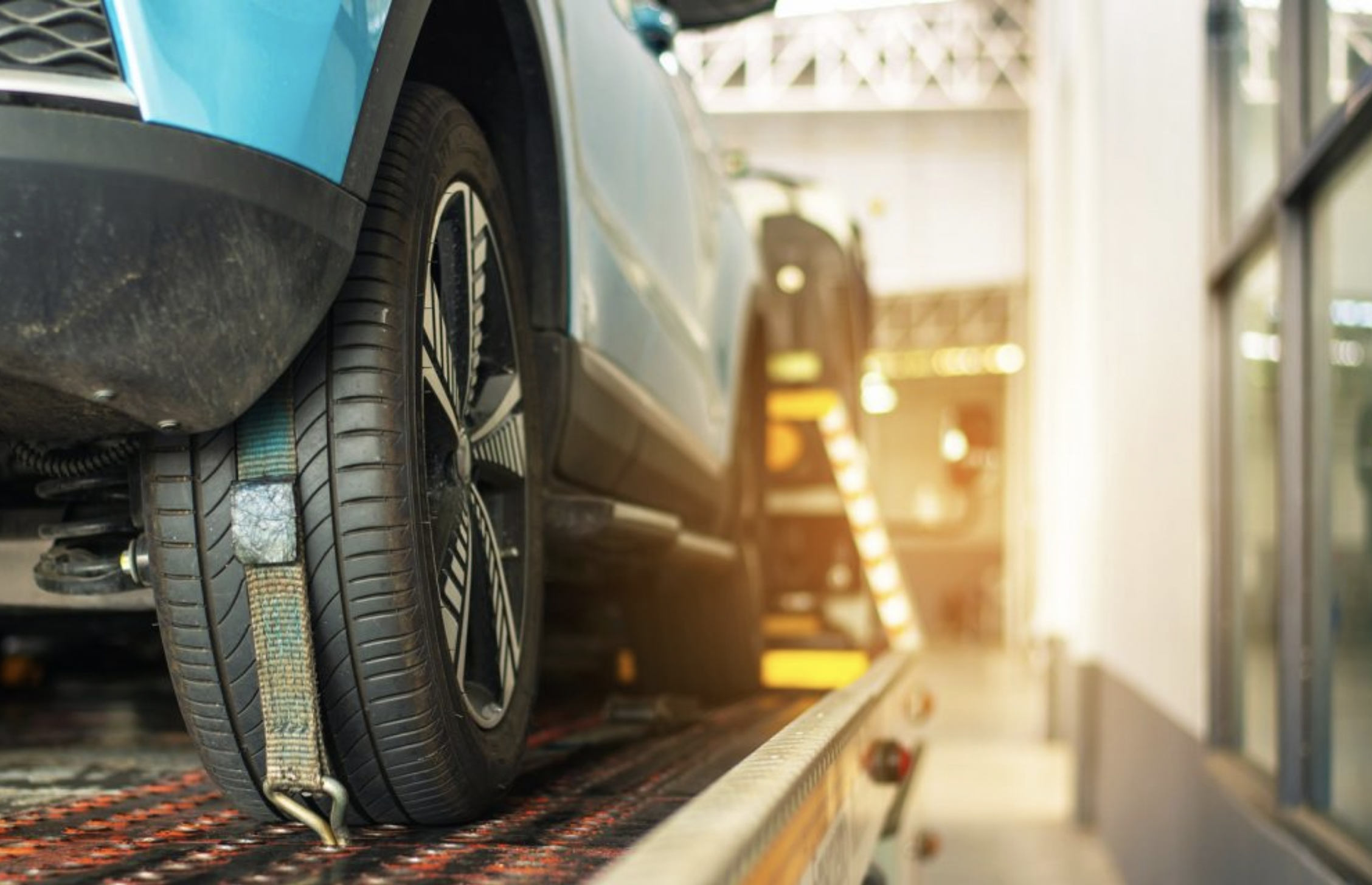
Hauling
You want it gone? Call us and we will haul it for you.
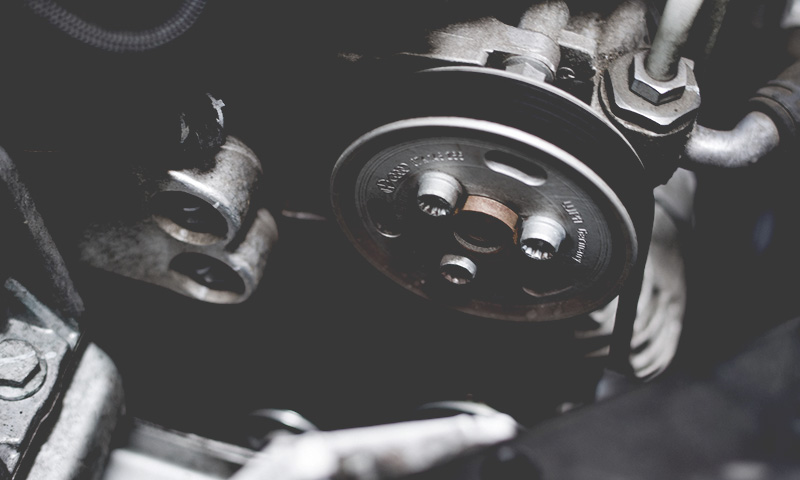
Repair Services
Auto and diesel repair for your gas or Diesel engine vehicle.
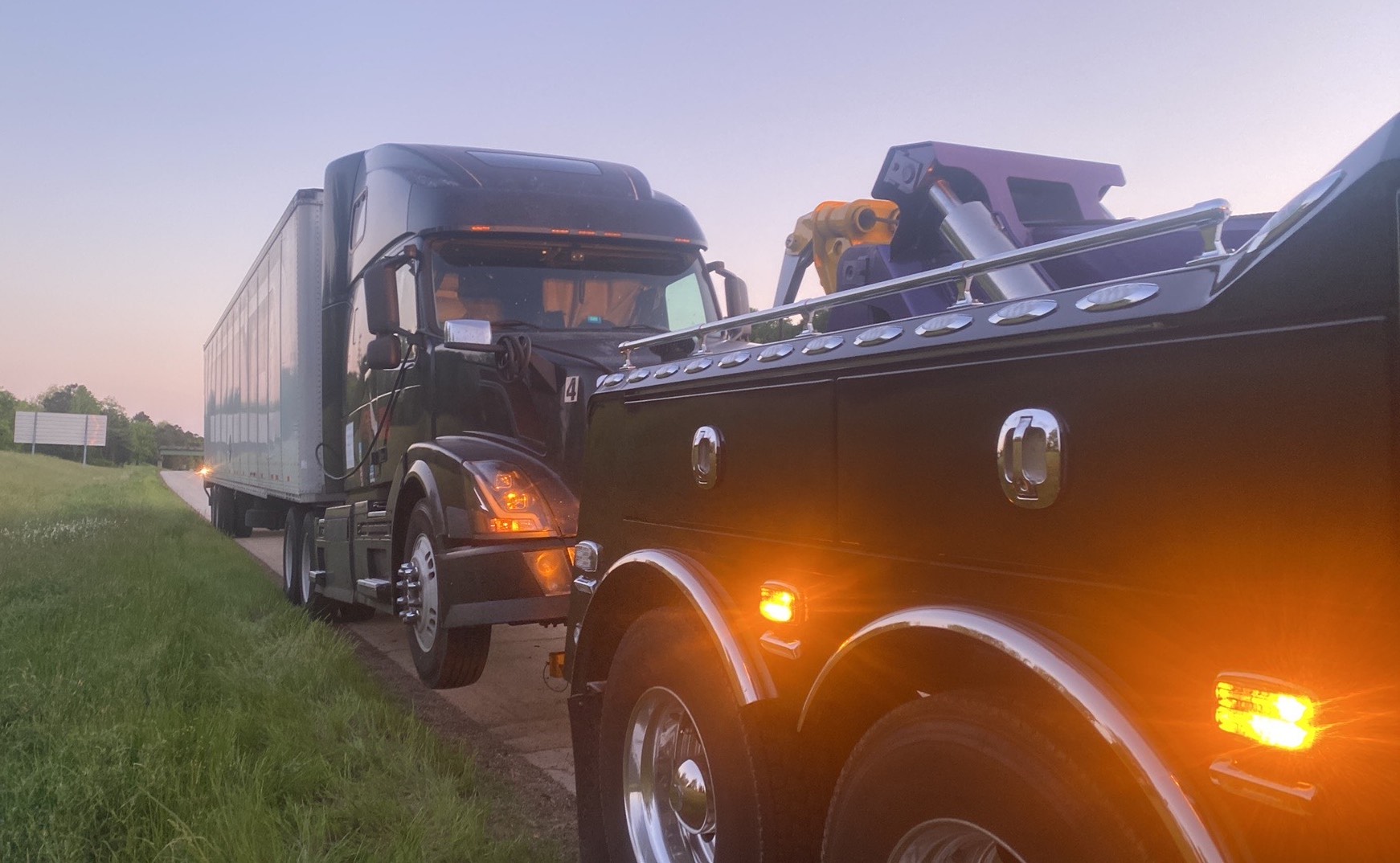
Roadside Assistance
Emergency roadside assistance that won’t leave you stranded.
Areas We Serve
Almost 200 Happy Customers Give 5 Star Reviews
We don’t just talk about customer satisfaction, our clients call us friends, lifesavers, family, the best, and even sometimes call us over for dinner!
