
Farm Equipment Hauling
Safe and Efficient Transport Guide
Moving tractors, combines, and other heavy agricultural machinery requires specialized knowledge, proper equipment, and careful planning. Farm equipment hauling demands more than a standard trailer and a capable truck. From navigating weight restrictions to securing oddly shaped attachments, transporting farm machinery presents unique challenges that require professional handling.
Whether you’re relocating equipment to a new property, delivering recently purchased machinery, or transporting gear for seasonal work, understanding the hauling process helps ensure safe arrival without damage or regulatory issues. This guide covers everything you need to know about farm equipment transport services, from preparation steps to selecting the right hauling company.
Commonly Hauled Farm Equipment
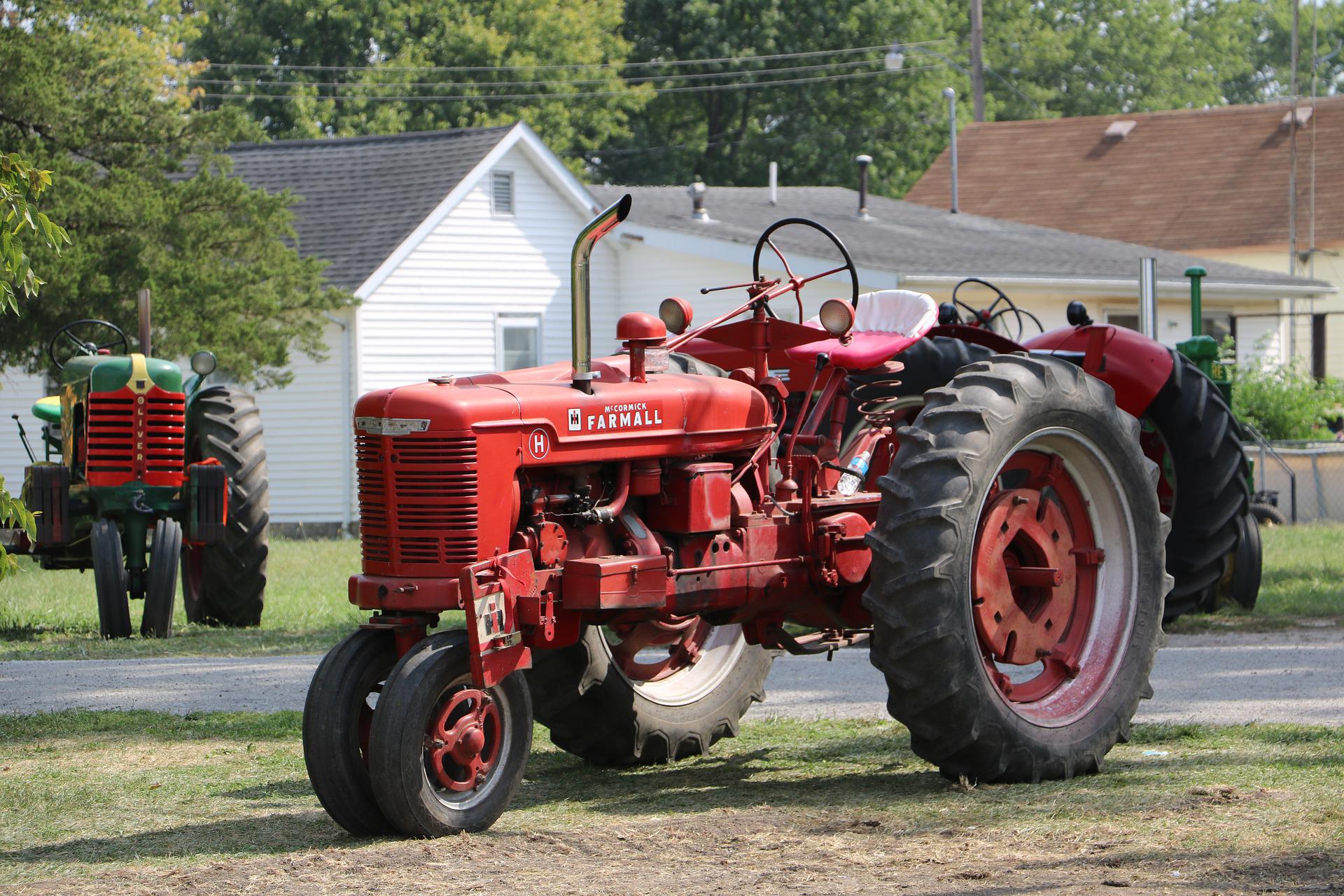
Agricultural operations rely on diverse machinery, each presenting distinct transport requirements. Tractors of all sizes represent the most frequently moved equipment, ranging from compact utility models to large row-crop tractors exceeding 300 horsepower. Their varying dimensions and weights require careful trailer selection and load planning.
Combines and harvesters pose additional complexity due to their width, height, and delicate components. Headers, grain carts, and balers also require specialized handling to prevent damage during transit. Planters and seeders often feature intricate mechanical systems that need protection from road vibration and movement.
Other commonly transported items include cultivators, sprayers, hay equipment, tillage tools, and specialty machinery such as potato harvesters. Each piece demands specific securement methods and transport considerations based on its design and value.
Benefits of Farm Equipment Hauling Services
Professional farm equipment hauling offers significant advantages over attempting to move heavy machinery yourself or relying on inexperienced operators.
Cost Efficiency
Hauling large equipment independently requires substantial investment in specialized trailers, proper towing vehicles, and securement gear. Professional services eliminate these capital expenses while reducing fuel costs and wear on your personal vehicles. Insurance coverage included with professional hauling protects against potential damage that could result in expensive repairs.
Time Savings
Loading, transporting, and unloading heavy machinery consumes valuable hours better spent on farm operations. Professional haulers handle all logistics, allowing you to focus on running your business. Experienced operators complete the process more quickly than those unfamiliar with proper techniques.
Regulatory Compliance
Oversized and overweight loads must comply with state and federal transportation regulations. Professional haulers understand permit requirements, route restrictions, and escort vehicle rules. They ensure legal compliance throughout the journey, avoiding costly fines and delays.
Reduced Equipment Damage
Improper loading, inadequate securement, or unsuitable trailers can cause significant damage to valuable machinery. Professional haulers use appropriate techniques and equipment designed specifically for heavy agricultural transport. Their experience minimizes risk to your investment.
Specialized Trailers
When it comes to farm equipment hauling, different equipment types require specific trailer configurations. Lowboy trailers accommodate tall machinery, while RGN (Removable Gooseneck) trailers facilitate easier loading of tracked equipment. Professional services maintain fleets with the right trailers for each job.
Preparing Your Farm Equipment Before Transporting
Proper preparation reduces transport time, prevents damage, and ensures regulatory compliance. Follow these steps before your scheduled hauling date.
Remove or Lower Attachments
Detach front loaders, rear implements, and other removable components when possible. If attachments cannot be removed, lower them to their lowest position. This reduces overall height and improves load stability.
Secure Loose Components
Tie down or remove mirrors, antennas, exhaust stacks, and other protruding parts that could break during transport. Check for loose panels, doors, or covers that need securing. Walk around the equipment and identify anything that might move or detach during highway travel.
Check Tires and Fluid Levels
Inflate tires to the recommended pressure to ensure proper load distribution. Inspect for damage or excessive wear. Check hydraulic fluid, coolant, and fuel levels. Drain fuel tanks if required by the hauler or if transport distance creates safety concerns.
Provide Accurate Dimensions and Weight
Measure height, width, length, and total weight precisely. These specifications determine trailer requirements, permit needs, and route planning. Inaccurate information can cause delays or necessitate rescheduling.
Close Doors and Covers
Secure all access doors, engine covers, and storage compartments. Lock operator cabs to prevent damage from wind or vibration. Cover exposed seats or controls if weather protection is needed.
Position Equipment Correctly on Trailer
Work with your hauler to ensure proper weight distribution. Center the load and position it according to trailer specifications. Balanced placement prevents handling issues and reduces wear on the trailer.
Proper Chain and Tie-Down Setup
Use grade-70 or higher chains rated for the equipment weight. Position chains at designated tie-down points per manufacturer recommendations. Avoid placing chains where they could damage hydraulic lines, electrical components, or painted surfaces. Tighten all connections and verify security before departure.
Communicate Site-Specific Requirements
Inform your hauler about property access challenges such as narrow gates, low-hanging wires, soft ground conditions, or limited turning radius. Provide contact information for on-site personnel who can assist with loading or delivery.
Factors Affecting Farm Equipment Hauling Rates
Understanding pricing variables in farm equipment hauling helps you budget appropriately and evaluate quotes from different haulers.
Type of Farm Equipment
Complexity varies significantly across machinery types. Standard tractors typically cost less to haul than specialized equipment requiring extra care or unusual trailer configurations. Tracked equipment often requires specific loading equipment and trailers, affecting pricing.
Equipment Size and Weight
Larger, heavier machinery requires more robust trailers, potentially oversize permits, and greater fuel consumption. Equipment exceeding standard legal dimensions incurs additional costs for permitting and possible escort vehicles.
Transport Distance and Route
Longer distances naturally increase costs due to fuel, driver time, and vehicle wear. Route complexity also matters—mountainous terrain, urban congestion, or roads with weight restrictions can extend travel time and increase pricing.
Seasonal Demand
Longer distances naturally increase costs due to fuel, driver time, and vehicle wear. Route complexity also matters—mountainous terrain, urban congestion, or roads with weight restrictions can extend travel time and increase pricing.
Special Handling Requirements
Equipment needing extra protection, such as climate-controlled transport or enclosed trailers, costs more than standard open-hauling. Machinery requiring special permits or escort vehicles also increases expenses.
Delivery Timeframe
Expedited service commands premium pricing. Standard scheduling typically offers the best value, while rush deliveries require haulers to prioritize your shipment over other scheduled loads.
Choosing the Right Farm Equipment Transport Services Company
Selecting an experienced, reliable hauler protects your equipment and ensures smooth transport.
Experience with Farm Equipment
Verify that the farm equipment transport services company regularly hauls agricultural machinery, not just general freight. Experience with your specific farm equipment hauling needs indicates familiarity with proper handling techniques and potential challenges.
Proper Trailers and Equipment
Confirm they maintain appropriate trailers for your machinery’s size and weight. Ask about trailer types in their fleet and which they’ll use for your shipment. Well-maintained equipment reduces the risk of breakdown during transport.
Licensing and Insurance
Verify proper licensing for commercial hauling and oversize transport. Request proof of insurance coverage, including cargo insurance that protects your equipment during transit. Legitimate companies provide this documentation readily.
Transparent Pricing
Reputable haulers provide detailed quotes explaining all charges. Avoid companies offering suspiciously low estimates that may hide additional fees. Clear pricing demonstrates professionalism and reduces surprise costs.
Service Coverage Areas
Ensure the company serves both your pickup and delivery locations. Some haulers specialize in regional transport, while others handle nationwide shipments. Confirm they can accommodate your specific route.
Communication and Support
Responsive customer service indicates reliability throughout the transport process. Companies should answer questions promptly, provide status updates, and remain accessible during the shipment.
Why Choose Us for Farm Equipment Hauling Services?
Sports Towing & Recovery brings professional expertise and specialized equipment to every farm machinery transport. Our operators understand the unique requirements of farm equipment hauling, from proper securement techniques to navigating regulatory compliance.
We maintain a fleet capable of handling everything from compact utility tractors to large combines and specialized harvesters. Our heavy-duty trailers accommodate various equipment sizes, and our team plans each route to avoid obstacles that could delay delivery or damage your machinery.
Richmond-area farmers and agricultural businesses trust us for reliable service when equipment needs to move safely from one location to another. We handle the logistics, permits, and transport details so you can focus on your operation.
Our Hauling Process
Our systematic approach ensures safe, efficient transport for every piece of equipment.
Planning and Route Assessment
We begin by gathering complete equipment specifications, pickup location details, and delivery requirements. Our team evaluates the route, identifying any restrictions, permit requirements, or potential obstacles. This planning phase establishes realistic timelines and prevents surprises during transport.
Equipment Preparation
We work with you to ensure the agricultural machinery is properly prepared for transport. Our team inspects the equipment, confirms dimensions match provided specifications, and identifies any special handling needs before loading begins.
Loading and Securement
Our operators use appropriate equipment and techniques to load agricultural machinery safely onto trailers. We position equipment for optimal weight distribution and secure it using grade-rated chains and tie-downs placed at manufacturer-recommended points. Every connection is verified before departure.
Safe Transportation
Our drivers monitor loads throughout transit, adjusting for changing road conditions and traffic. We maintain communication with dispatch and customers, providing updates as requested. Safety remains the top priority from pickup to delivery.
Delivery and Unloading
We coordinate arrival times to ensure someone is available to receive the equipment. Our operators unload machinery carefully, positioning it as requested at the delivery location. We take extra care on properties with limited space or challenging terrain.
Post-Transport Review
After delivery, we conduct a final inspection with the customer to confirm the equipment arrived in expected condition. We address any questions and ensure complete satisfaction with our service.
Get a Farm Equipment Hauling Quote
Ready to transport your agricultural machinery?
Contact Sports Towing and Recovery at 804-793-8076 for a detailed quote. Provide equipment type, dimensions, weight, and pickup and delivery locations for accurate pricing of our farm equipment transport services. Our team responds quickly with transparent estimates and answers to your questions about the farm equipment hauling process.
More Services
We do more than tow heavy duty vehicles. If you need standard towing, hauling, auto or diesel repair services, or emergency roadside assistance, we will help you 24/7/365.
Standard Towing
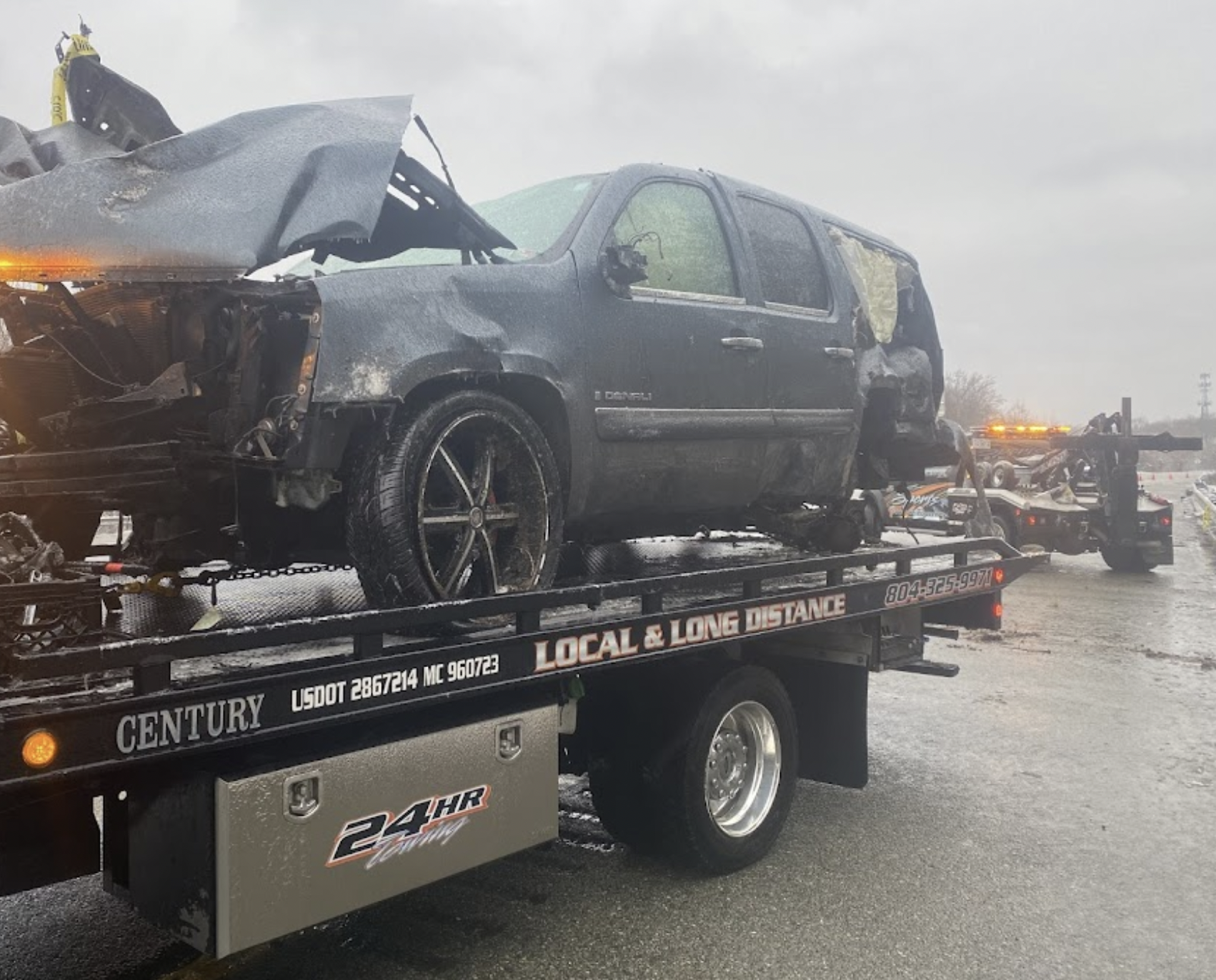
Light and medium vehicles with 1 or 2 axles weighing less than 14 tons.
Hauling
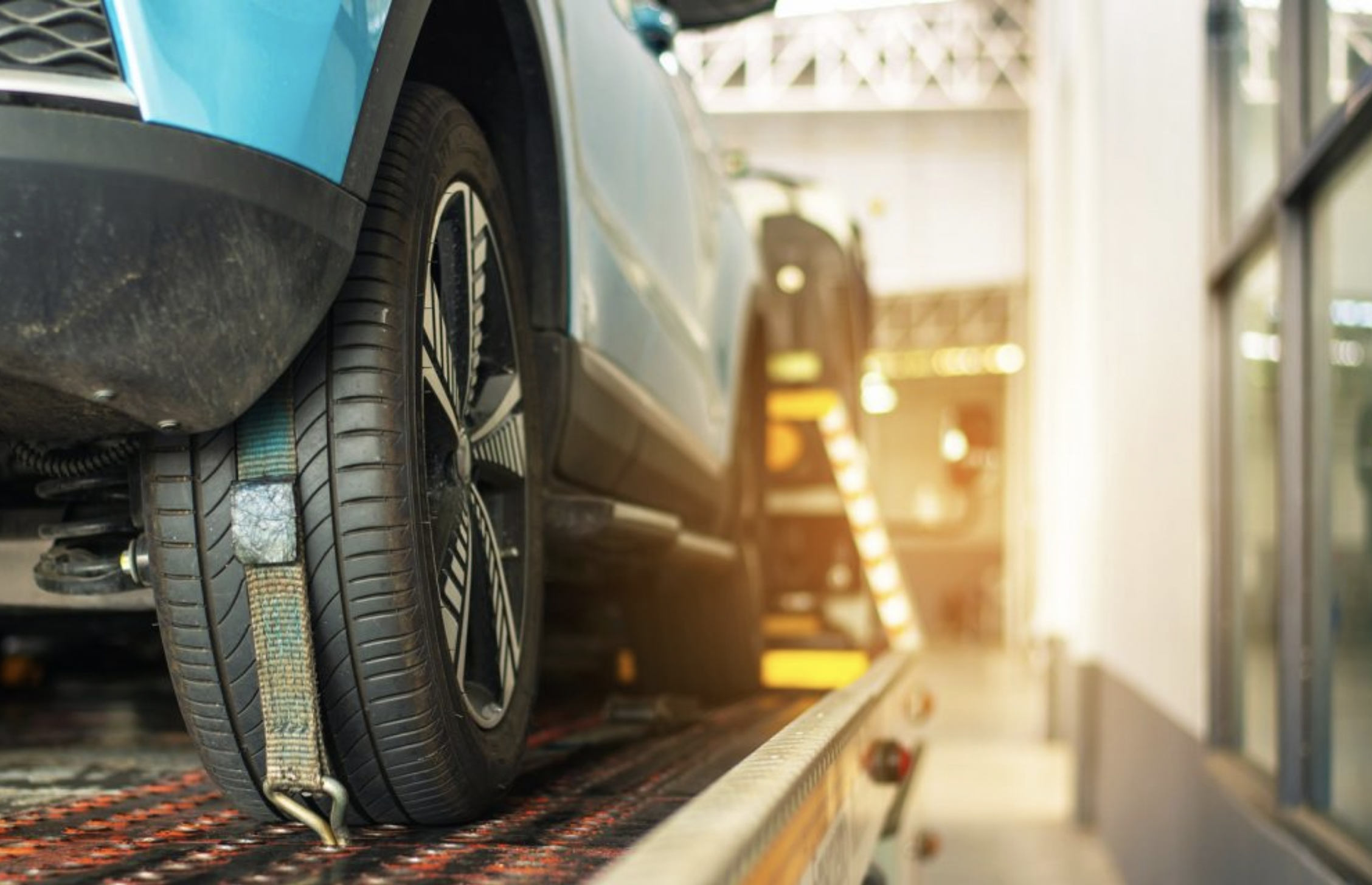
You want it gone? Call us and we will haul it for you.
Repair Services
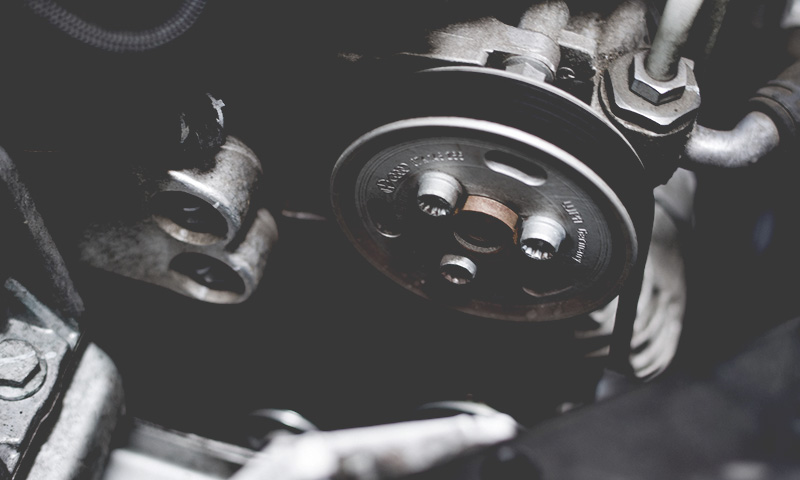
Auto and diesel repair for your gas or Diesel engine vehicle.
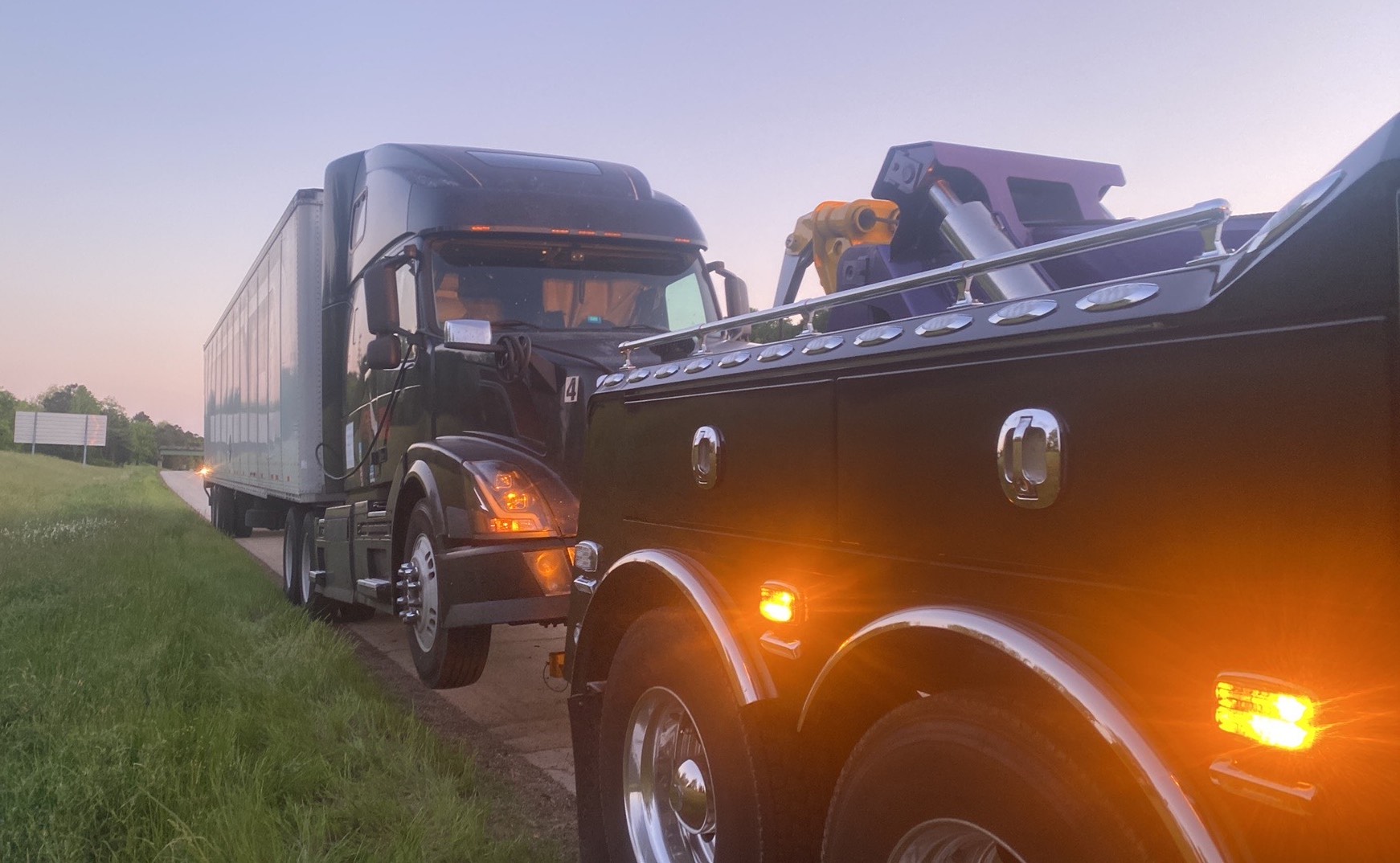
Roadside Assistance
Emergency roadside assistance that won’t leave you stranded.
Areas We Serve
Almost 200 Happy Customers Give 5 Star Reviews
We don’t just talk about customer satisfaction, our clients call us friends, lifesavers, family, the best, and even sometimes call us over for dinner!
