
Affordable Construction Equipment Hauling
A Complete Guide for Safe Transport
Moving bulldozers, excavators, and other heavy machinery requires more than a flatbed trailer and a truck. Construction equipment hauling involves specialized knowledge, proper equipment, and careful planning to ensure safe transport from one jobsite to another. Whether you’re relocating a single skid steer or moving an entire fleet of machinery, understanding the hauling process helps protect your investment and keeps projects on schedule.
This guide walks through everything contractors and equipment owners need to know about transporting construction machinery safely and efficiently.
What is Construction Equipment Hauling?
Construction equipment hauling is the professional transport of heavy machinery and construction vehicles between locations. This service involves loading, securing, transporting, and unloading equipment such as excavators, backhoes, bulldozers, loaders, cranes, and compactors.
Unlike standard vehicle towing, hauling construction equipment requires specialized trailers, experienced operators, and knowledge of weight distribution, load securement, and transportation regulations. Most construction machinery cannot be safely driven on public roads due to size, weight, or speed limitations, making professional hauling services essential for contractors moving equipment between jobsites.
Why Professional Construction Equipment Hauling Matters
Attempting to move heavy machinery without proper equipment or experience creates unnecessary risks. Professional hauling services provide critical advantages that protect both your equipment and your business operations.
Safety
Construction machinery weighs thousands of pounds and requires secure loading to prevent accidents during transport. Professional haulers understand proper weight distribution, tie-down points, and securement techniques that keep equipment stable on the road. Improper loading can lead to shifting loads, trailer rollovers, or equipment damage—all preventable with trained operators and appropriate equipment.
Efficiency
Time lost to equipment breakdowns or transport delays directly impacts project schedules and profitability. Professional haulers coordinate logistics, plan optimal routes, and handle all transport details so contractors can focus on managing their projects. Experienced operators load and secure machinery quickly while maintaining safety standards, minimizing downtime between jobsites.
Risk Reduction for Equipment
Heavy machinery represents a significant capital investment. Scratches, dents, hydraulic damage, or mechanical issues caused by improper transport can result in costly repairs and equipment downtime. Professional haulers use proper loading techniques, protective measures, and secure tie-downs to minimize transport-related damage.
Compliance and Regulations
Transporting oversized or overweight loads requires permits, route planning, and adherence to state and federal regulations. Professional hauling services handle permit acquisition, ensure compliance with weight restrictions, and plan routes that accommodate equipment dimensions. This expertise prevents legal issues, fines, and project delays.
Common Challenges in Construction Equipment Hauling
Understanding potential obstacles helps contractors prepare for smooth equipment transport and avoid common pitfalls.
Limited Routes
Excavators, bulldozers, and cranes often exceed standard road width and height limits. These dimensions require route planning to avoid low bridges, narrow roads, and tight turns. Some loads need escort vehicles or travel during specific hours to minimize traffic disruption.
Heavy Machinery Weight
Construction equipment can weigh 20,000 to 100,000 pounds or more. This weight demands heavy-duty trailers rated for the load, proper weight distribution across axles, and trucks capable of safely pulling the combined weight. Underestimating equipment weight leads to equipment failure, accidents, or legal violations.
Loading and Unloading Risks
Getting machinery onto and off trailers presents significant safety challenges. Ramps must support the equipment’s weight, and operators need experience with different machine types. Uneven ground, insufficient clearance, or operator inexperience can result in tipped equipment, trailer damage, or injuries.
Limited Access
Construction sites often have restricted access points, soft ground conditions, or obstacles that complicate loading and delivery. Professional haulers assess site conditions in advance and bring appropriate equipment to navigate challenging access situations safely.
Weather and Road Conditions
Rain, ice, and poor road conditions increase transport risks. Wet or icy roads affect stopping distances and stability, while muddy jobsites can prevent safe loading or unloading. Experienced haulers monitor weather forecasts and adjust schedules when conditions pose safety concerns.
Compliance Issues
State regulations govern load weights, dimensions, travel times, and required permits. Each state maintains different rules, creating complexity for interstate hauling. Violations result in fines, impounded equipment, and project delays. Professional haulers navigate these regulations as part of their standard service.
5 Tips for Preparing Your Equipment for Hauling
Proper preparation ensures faster loading, safer transport, and reduced risk of damage during the move.
Provide Equipment Dimensions and Weight
Accurate measurements help haulers select the right trailer and plan appropriate routes. Provide exact width, height, length, and weight specifications for each piece of machinery. Include attachments like buckets or blades that will remain on the equipment during transport.
Clean Your Equipment
Remove mud, dirt, and debris from machinery before transport. Clean equipment allows haulers to properly inspect the machine, identify tie-down points, and document existing condition. This also prevents dirt and rocks from falling onto roadways during transport.
Secure All Loose Parts
Remove or secure items that could shift, fall, or cause damage during hauling. This includes tools, attachments, mirrors, antennas, and loose panels. Fold down or secure any extending parts, such as buckets, blades, or booms, to reduce overall dimensions.
Check Fluid Levels
Ensure hydraulic fluid, coolant, and oil levels are appropriate but not overfilled. Overfilled reservoirs can leak during transport, creating hazards and potential environmental violations. Top off any low fluids to prevent damage from movement during hauling.
Disconnect Batteries
Battery disconnection prevents electrical shorts, accidental starts, and drainage during transport. This simple step protects electrical systems and eliminates safety risks during loading and unloading.
What to Expect from Our Heavy Hauling Services
Sports Towing’s professional construction hauling equipment services provide comprehensive support from initial planning through final delivery.
Professional and Experienced Operators
Our team includes certified operators trained in heavy equipment handling and transport procedures. Experience with diverse machinery types ensures your equipment receives proper care regardless of make, model, or configuration.
Proper Equipment for Every Job
We maintain a fleet of specialized trailers, including lowboys, RGN trailers, and multi-axle configurations designed for heavy and oversized loads. Each trailer is regularly inspected and maintained to meet safety standards and handle demanding hauling requirements.
Safe Loading and Unloading
Trained operators use proper ramp angles, loading sequences, and securement techniques. We inspect tie-down points, verify weight distribution, and conduct safety checks before every transport. Our loading procedures prioritize equipment protection and operator safety.
Timely and Reliable Service
Project schedules depend on equipment availability. We coordinate pickup and delivery times that align with your project needs, communicate proactively about any changes, and arrive prepared to complete the job efficiently.
Transparent Pricing
Our quotes include all anticipated costs based on equipment specifications, distance, route requirements, and any necessary permits. No hidden fees or surprise charges—just clear pricing that helps you budget accurately.
Our Heavy Hauling Service Process
Understanding each step of the transport process helps contractors plan effectively and know what to expect.
Planning and Route Assessment
Every haul begins with detailed planning. We review equipment specifications, determine trailer requirements, and assess potential routes. For oversized loads, we identify low clearances, weight-restricted bridges, and road limitations. Permit requirements are determined and processed during this phase.
Preparing the Equipment
Before loading, our team conducts a walk-around inspection, documenting equipment condition and verifying that all preparation steps have been completed. We confirm that loose parts are secured, fluids are checked, and access points are clear.
Loading Procedures
Equipment is loaded using appropriate ramps and loading techniques specific to each machine type. We position machinery to achieve proper weight distribution, then secure it using chains, binders, and straps rated for the equipment’s weight. All securement points are inspected before transport begins.
Transporting Safely
Our operators follow planned routes, monitor equipment during transport, and maintain communication with dispatch. For long-distance hauls, we conduct periodic inspections to verify that all securement remains tight and equipment stays properly positioned.
Delivery and Unloading
Upon arrival, we assess unloading conditions and position the trailer for safe equipment removal. Machinery is carefully backed or driven off the trailer using proper techniques, with spotters ensuring clearance and stability throughout the process.
Post-Transport Considerations
After unloading, we conduct a final inspection with the customer, noting equipment condition and addressing any questions. Documentation is completed, and the delivery is confirmed.
Areas and Routes We Serve
Sports Towing & Recovery provides construction equipment hauling services throughout the Richmond region and surrounding areas. Our local knowledge helps us navigate efficiently through Central Virginia’s road network, avoiding problematic routes and minimizing transport time.
We handle both local jobsite-to-jobsite moves and longer-distance hauling throughout Virginia. For specialized routing or multi-state transport, our team coordinates all logistics and permitting to ensure smooth, compliant delivery.
How to Schedule Heavy Hauling Services
Planning ahead ensures equipment availability when you need it. Contact our dispatch team with basic information about your machinery, including type, approximate weight and dimensions, current location, and destination. We’ll provide a detailed quote and coordinate scheduling that works with your project timeline.
For urgent moves or same-day service requests, call our dispatch line 24/7. We maintain capacity for emergency hauling needs and can often accommodate last-minute scheduling when circumstances require quick equipment relocation.
Professional construction equipment hauling services protect your machinery investment while keeping projects on schedule. With proper planning, experienced operators, and specialized equipment, moving even the heaviest construction machinery becomes a straightforward process.
More Services
We do more than tow heavy duty vehicles. If you need standard towing, hauling, auto or diesel repair services, or emergency roadside assistance, we will help you 24/7/365.
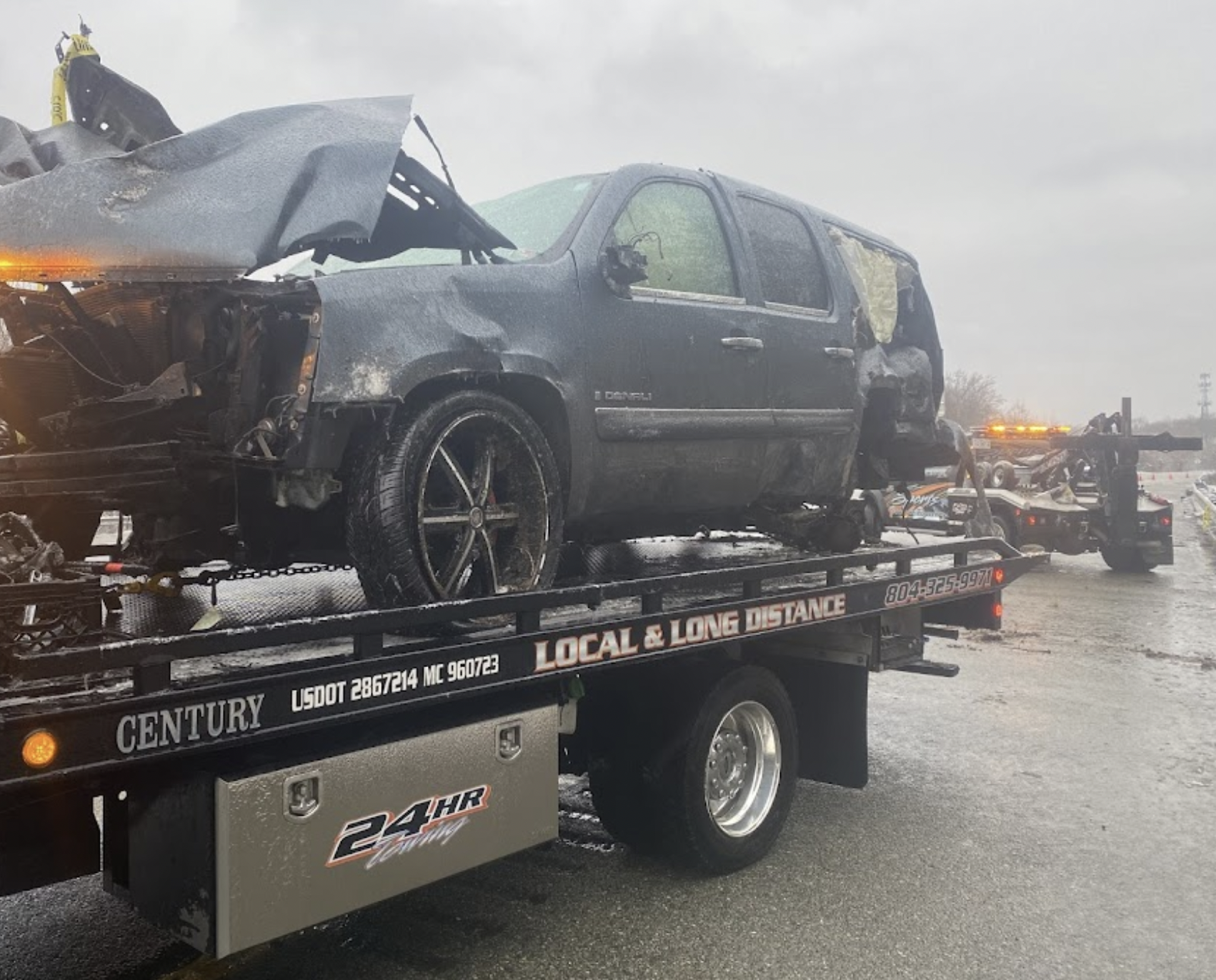
Standard Towing
Light and medium vehicles with 1 or 2 axles weighing less than 14 tons.
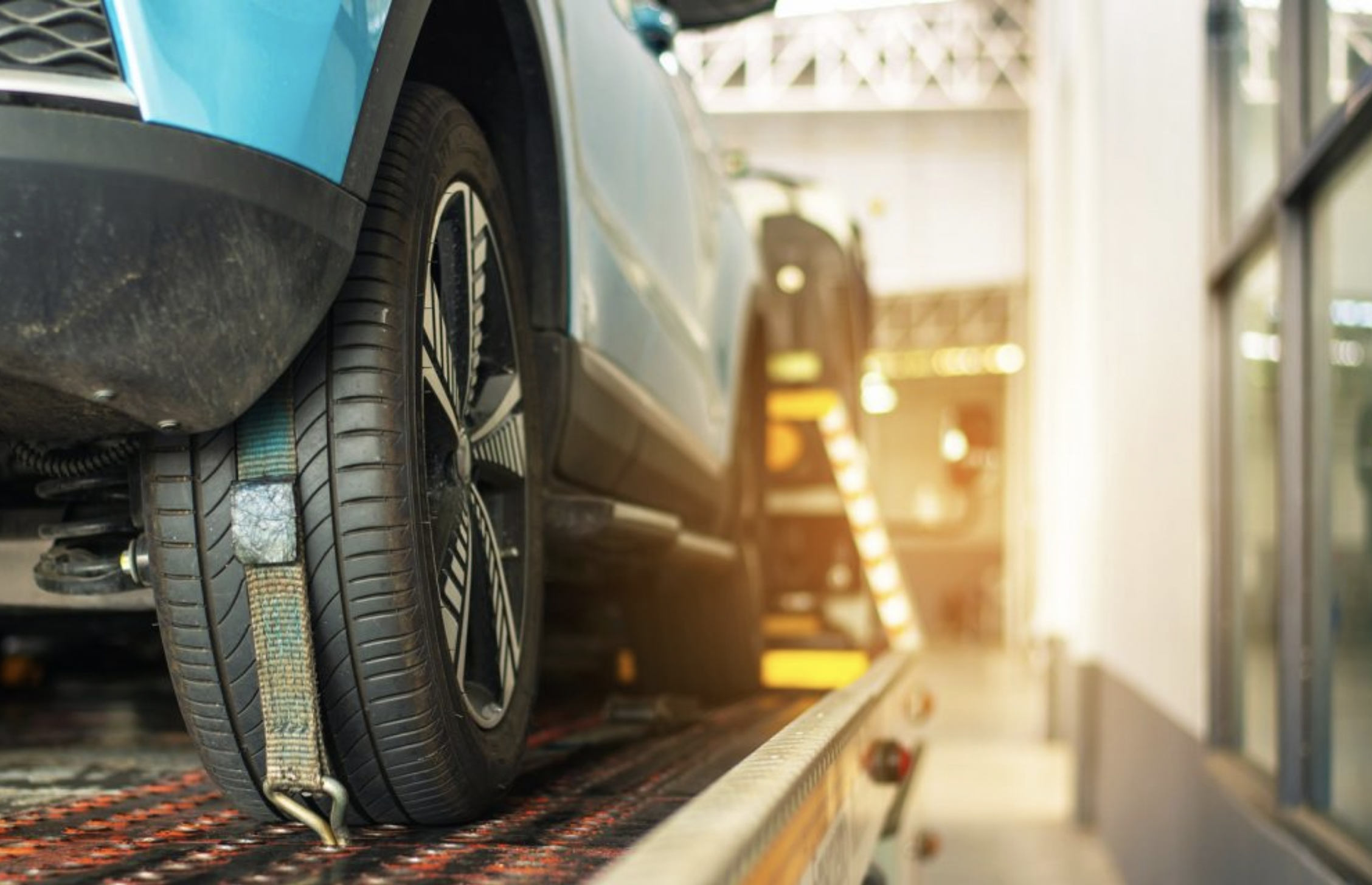
Hauling
You want it gone? Call us and we will haul it for you.
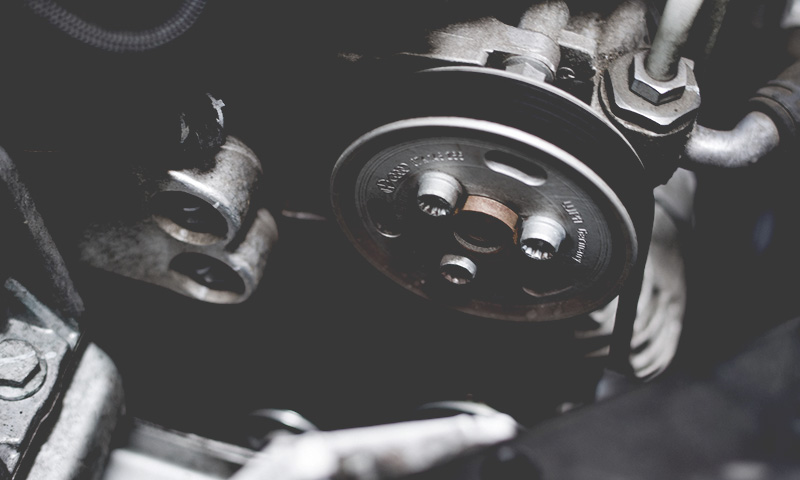
Repair Services
Auto and diesel repair for your gas or Diesel engine vehicle.
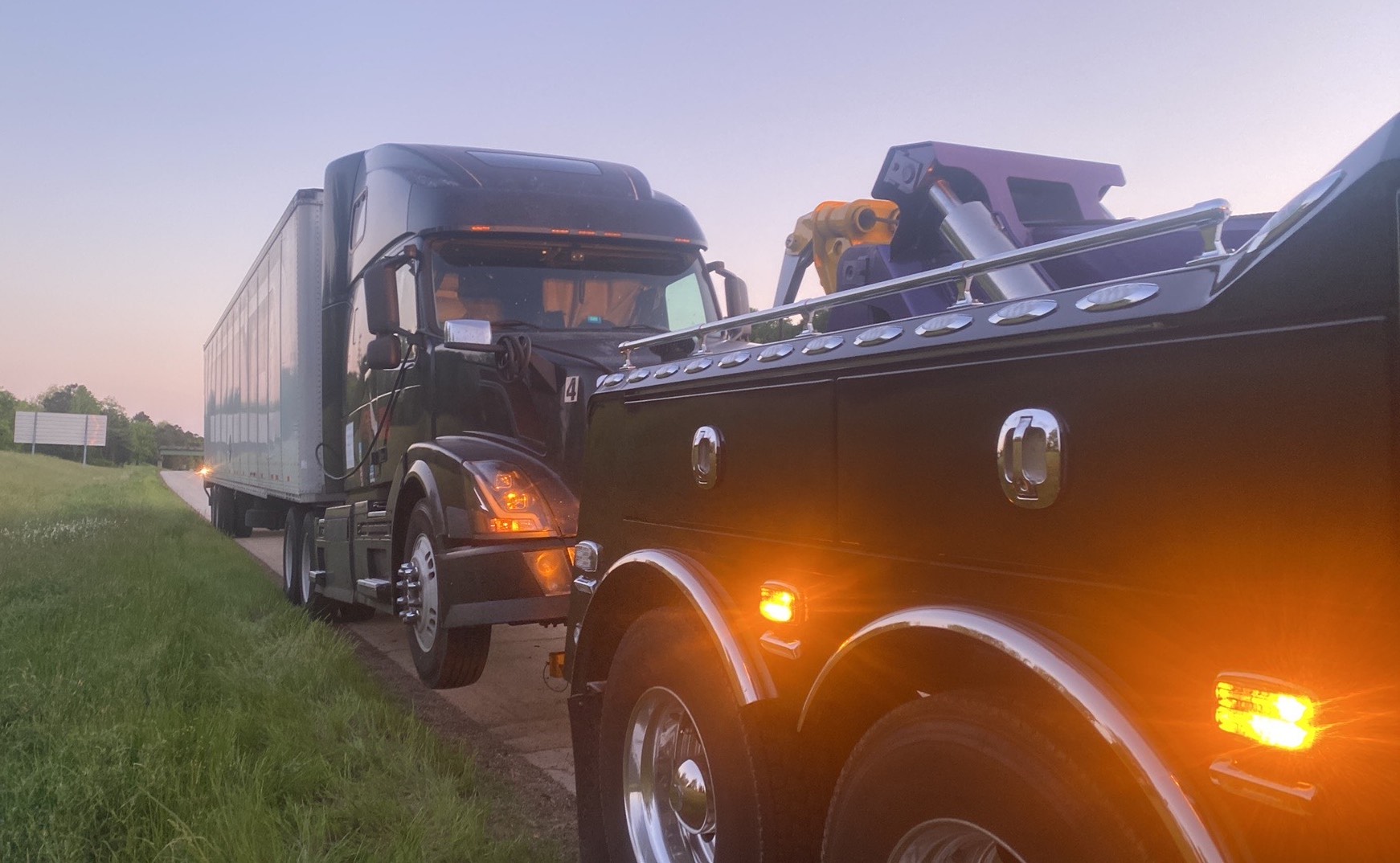
Roadside Assistance
Emergency roadside assistance that won’t leave you stranded.
Areas We Serve
Almost 200 Happy Customers Give 5 Star Reviews
We don’t just talk about customer satisfaction, our clients call us friends, lifesavers, family, the best, and even sometimes call us over for dinner!
