
Excavator Hauling
Expert Tips for Safe Equipment Transport
Moving heavy construction equipment is never simple, and excavators present some of the most demanding transport challenges in the industry. Between managing weight distribution, securing attachment points, and navigating compliance requirements, even experienced crews benefit from a thorough pre-haul review.
This guide covers the key factors involved in excavator hauling, from weight thresholds and safety protocols to cost variables and what to expect when scheduling professional transport. If you’re coordinating a job site move or relocating equipment between projects, these are the details that matter most.
Weight Requirements for Excavator Transport
Excavators vary considerably in size, from compact mini models weighing 2,000 to 4,000 pounds to large full-size machines that exceed 100,000 pounds. Before any haul begins, operators need to confirm the machine’s operating weight and select a trailer rated to handle it safely.
Federal bridge laws limit single-axle loads to 20,000 pounds and tandem-axle loads to 34,000 pounds, with an 80,000-pound gross vehicle weight limit on interstate highways. State regulations vary, and oversize or overweight loads typically require special permits issued by each state the route passes through.
Selecting the right trailer for the job, whether a standard flatbed, a step-deck, or a lowboy, depends on both machine weight and height. Lowboy trailers are the most common choice for full-size excavators because they reduce the loaded height, helping to clear bridges and overpasses throughout the haul.
Safety Considerations in Excavator Hauling
Excavator transport involves significant risk when proper precautions are skipped. Each stage of the process, from loading to delivery, carries its own set of safety requirements.
Machine Size and Weight
Confirming the excavator’s total weight before loading is essential. Exceeding a trailer’s rated capacity creates dangerous instability on the road and exposes the hauler to serious liability. Always verify manufacturer specs and account for any attachments that add to the overall load.
Secure Attachment Points
Excavators should be chained at manufacturer-designated tie-down points whenever possible. Using random frame sections or bucket linkages instead of proper anchor points can damage the machine and compromise security during transit.
Chain Selection
Transport chains must meet or exceed the working load limit required for the equipment being hauled. Grade 70 or Grade 80 chains are standard for heavy equipment. Binders should be checked and retightened after the first 50 miles and at each rest stop.
Ramp and Loading Quality
Loading ramps should be rated well above the machine’s weight, positioned on firm, level ground, and secured before the excavator moves onto them. Soft or uneven surfaces during loading create tipping risk that can cause serious injury or equipment damage.
Pre-Transport Inspection
Before the haul begins, operators should confirm that the bucket and arm are lowered and secured, the blade or dozer attachment is resting flat, all access doors are latched, and fuel levels are appropriate for loading and unloading but not excessively full.
Compliance Issues
Oversized load requirements vary by state and sometimes by county. Permits, escort vehicles, travel time restrictions, and posted route requirements all need to be confirmed before departure. Skipping compliance steps can result in fines, delays, and forced stops that cost more than the permit would have.
What Factors Affect Excavator Transport Costs?
Transport pricing is rarely a flat rate. Several variables combine to determine the final cost of any heavy equipment haul.
Distance and Route
Longer hauls cost more, but route complexity matters too. Mountain passes, low bridges, weight-restricted roads, and urban corridors can require detours, special permits, or pilot cars, each of which adds to the total.
Machine Size and Weight
Compact excavators can often move on standard equipment trailers at a lower cost. Larger machines require specialized equipment, wider load permits, and sometimes escort vehicles, all of which factor into the quoted price.
Pickup and Delivery Locations
Remote job sites, locations with limited access, or destinations that require travel on weight-restricted roads can increase cost and complexity. Easy highway access at both ends of the haul generally keeps pricing straightforward.
Type of Transport
Standard flatbed transport is the most economical option for smaller machines. Full-size excavators typically require lowboy trailers, which carry higher base rates. Expedited or dedicated transport, when you need the haul prioritized over other loads, carries a premium as well.
Timing
Peak construction seasons create higher demand for heavy hauling capacity. Last-minute requests, weekend moves, and holiday scheduling can also affect pricing. Planning ahead and providing flexible pickup windows often results in better rates.
Why Choose Us for Excavator Hauling Services?
At Sports Towing & Recovery, we bring the same professionalism and reliability to heavy equipment transport that contractors and equipment owners in the Richmond region have come to expect from us.
Weight Distribution Requirements
Legal axle weight limits govern how steel loads must be positioned across a trailer’s axle groups. Improper distribution can result in permit violations, fines, or unsafe handling. Our operators are trained to configure loads within regulatory limits.
Experienced Operators
Our team includes operators trained in heavy equipment loading, securement, and oversized load transport. This isn’t general hauling work. It requires specific knowledge and hands-on experience that our crew has built over years in the field.
Proper Equipment
A truck hauling excavators needs the right trailer for the job, not just whatever is available. We maintain the equipment necessary to transport full-size machines safely, including lowboy configurations suited for larger excavators.
Safe Loading and Unloading
Every load follows a consistent safety protocol. Tie-down points, chain ratings, and ramp conditions are all verified before the machine moves. We don’t rush the loading process because that’s where mistakes happen.
Timely and Reliable Service
Job site schedules depend on equipment arriving when it’s supposed to. We provide reliable dispatch, honest ETAs, and consistent communication throughout the haul so your team can plan accordingly.
Transparent Pricing
We provide clear quotes based on the actual scope of your haul, including permits and route requirements when applicable. No hidden fees after the fact.
Personalized Transport Plans
Every excavator haul is a little different. We work with clients to understand pickup conditions, delivery requirements, and scheduling needs before finalizing a plan.
24/7 Customer Support
Equipment moves don’t always happen during business hours. Our team is available around the clock to answer questions, confirm scheduling, and coordinate logistics.
How to Schedule Heavy Hauling Service
Scheduling excavator transport with Sports Towing & Recovery is straightforward. Contact us with the machine’s make, model, and operating weight, the pickup and delivery locations, and your preferred haul dates. We’ll confirm trailer availability, identify any permit requirements for your route, and provide a clear quote before anything is finalized.
For time-sensitive moves or equipment already on-site and ready to go, call us directly for the fastest response. Our team is ready to help you move your equipment safely, on schedule, and without the guesswork.
More Services
We do more than tow heavy duty vehicles. If you need standard towing, hauling, auto or diesel repair services, or emergency roadside assistance, we will help you 24/7/365.
Standard Towing
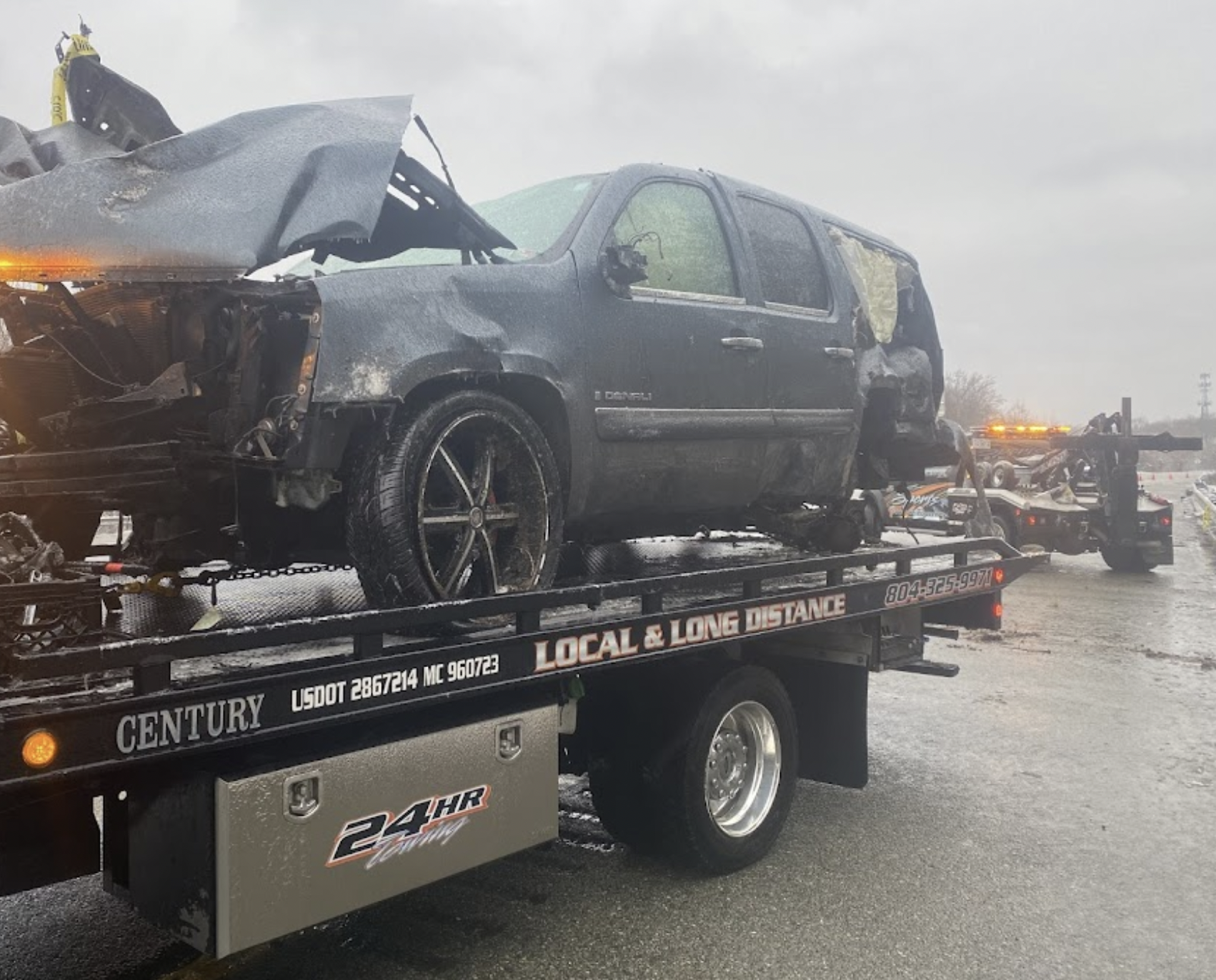
Light and medium vehicles with 1 or 2 axles weighing less than 14 tons.

Hauling
You want it gone? Call us and we will haul it for you.

Repair Services
Auto and diesel repair for your gas or Diesel engine vehicle.
Roadside Assistance
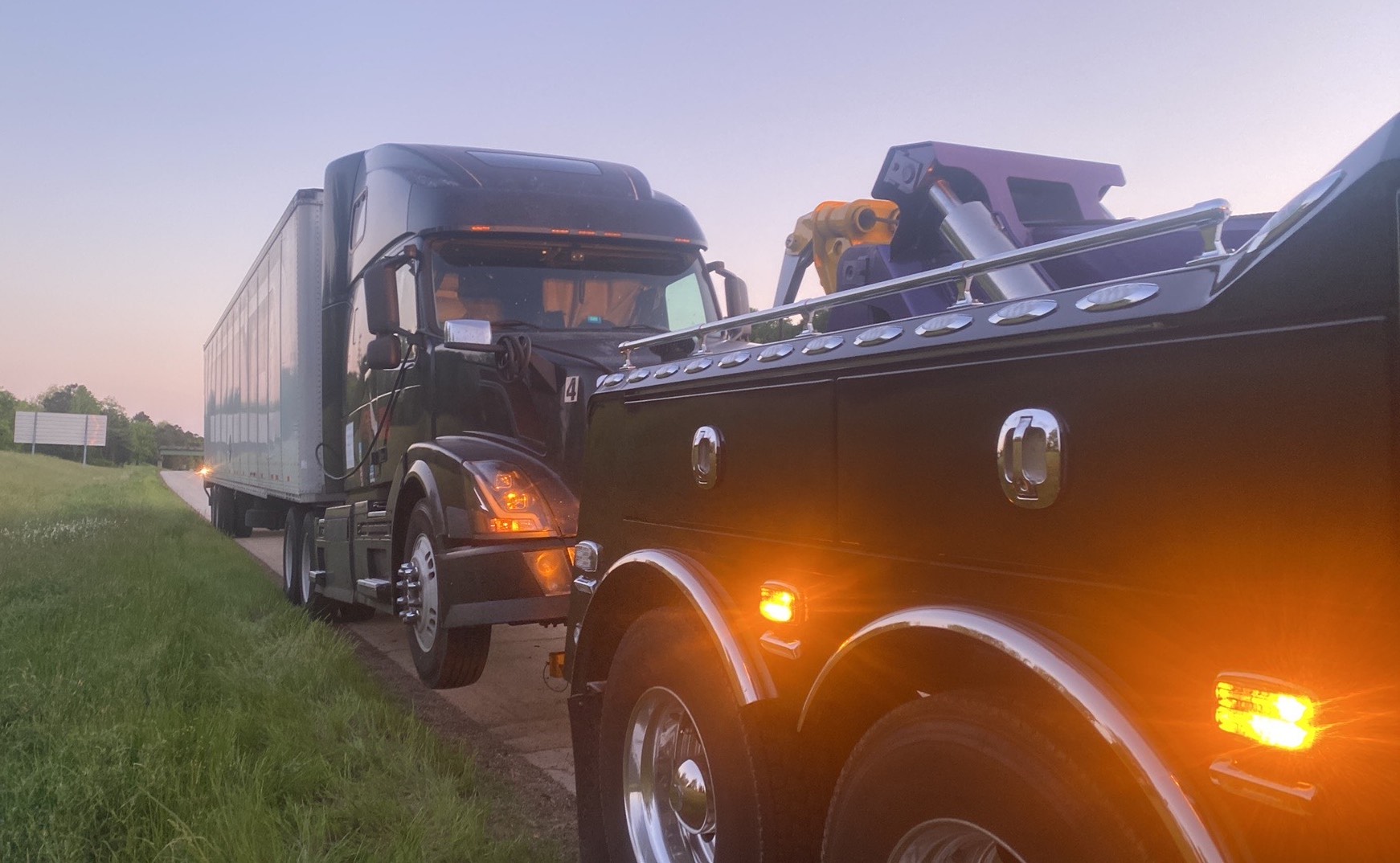
Emergency roadside assistance that won’t leave you stranded.
Areas We Serve
Almost 200 Happy Customers Give 5 Star Reviews
We don’t just talk about customer satisfaction, our clients call us friends, lifesavers, family, the best, and even sometimes call us over for dinner!
